Loyalty programs have become increasingly sophisticated. Brands now have more ways to segment customers, personalize offers, structure rewards, and measure engagement than ever before. For loyalty teams, that sophistication can be valuable. It gives them more control over how customers are recognized, rewarded, and encouraged to return.
But sophistication does not always translate into participation.
A customer may be enrolled in a program and still struggle to use it. They may have points available, but not know their balance. They may qualify for a reward, but not see it before checkout. They may receive a personalized offer, but only in an email they do not open until later. Internally, the brand sees a loyalty member with status, history, and available value. Externally, the customer may see another login, another app, another barcode, or another message they need to remember.
That gap is where many loyalty programs lose momentum. The program may not lack value. It may lack access.
Why Loyalty Programs Are Hard for Customers to Use
Most loyalty programs are built with the right intent. Brands want to reward repeat behavior, create stronger relationships, and give customers a reason to choose them again. As programs mature, the structure often becomes more layered: tiers, bonus events, member-only offers, personalized rewards, referral incentives, and lifecycle campaigns.
Each layer may make sense on its own. The problem starts when the customer-facing experience becomes harder to navigate than the value is worth in the moment.
A shopper standing at checkout does not think in terms of segmentation logic or campaign architecture. They want to know whether they have a reward, how to access it, and what they need to do next. If that answer requires searching an inbox, opening an app they rarely use, remembering a password, or asking an employee to look up their account, the program becomes less useful right when it should be most influential.
This is why loyalty teams need to look beyond program design. A strong loyalty strategy still needs relevant rewards, thoughtful segmentation, and clear incentives, but those elements only matter if customers can easily find and use them.
That is where complexity can become a hidden drag on performance.
When More Loyalty Features Create More Friction
When engagement falls short, the natural response is often to add more: more perks, more campaigns, more personalization, more ways to earn, more rules to create relevance. Some of those additions can improve performance, but they can also make the experience feel heavier for the customer.
This creates a common disconnect. Internally, the brand may see a more advanced loyalty ecosystem. Customers may simply experience more steps.
The issue is not complexity itself. Advanced loyalty programs often need complex systems behind the scenes. The issue is where that complexity shows up. If it appears in the customer experience, it can slow down the exact behavior the program is designed to encourage.
The best loyalty experiences make the next action clear:
Here is your status.
Here is your reward.
Here is your offer.
Here is how to use it.
That clarity is not a reduction in strategy. It is the part of the strategy customers actually experience. Once that becomes the goal, access becomes more than a convenience feature. It becomes a performance lever.
Why Access Matters to Loyalty Program Performance
Loyalty creates value in specific moments. A customer is deciding where to shop. A restaurant guest is choosing whether to come back. A member is near a location. A shopper is close to earning a reward. Someone is already in line and needs to identify themselves before checkout.
These moments are short, practical, and action-oriented. They do not leave much room for friction.
If the customer cannot find their member information, the program depends on memory or staff intervention. If an offer is buried in email, it may not influence the purchase. If a reward is available but not visible, it does not reinforce the behavior the brand wants to encourage.
Better access changes that dynamic. It turns loyalty from something customers are enrolled in to something they can actually use. Rewards, status, offers, and member identity become visible at the point where they can shape behavior.
This is where mobile wallet passes create a useful bridge between loyalty strategy and customer action.
How Mobile Wallet Passes Improve Loyalty Program Access
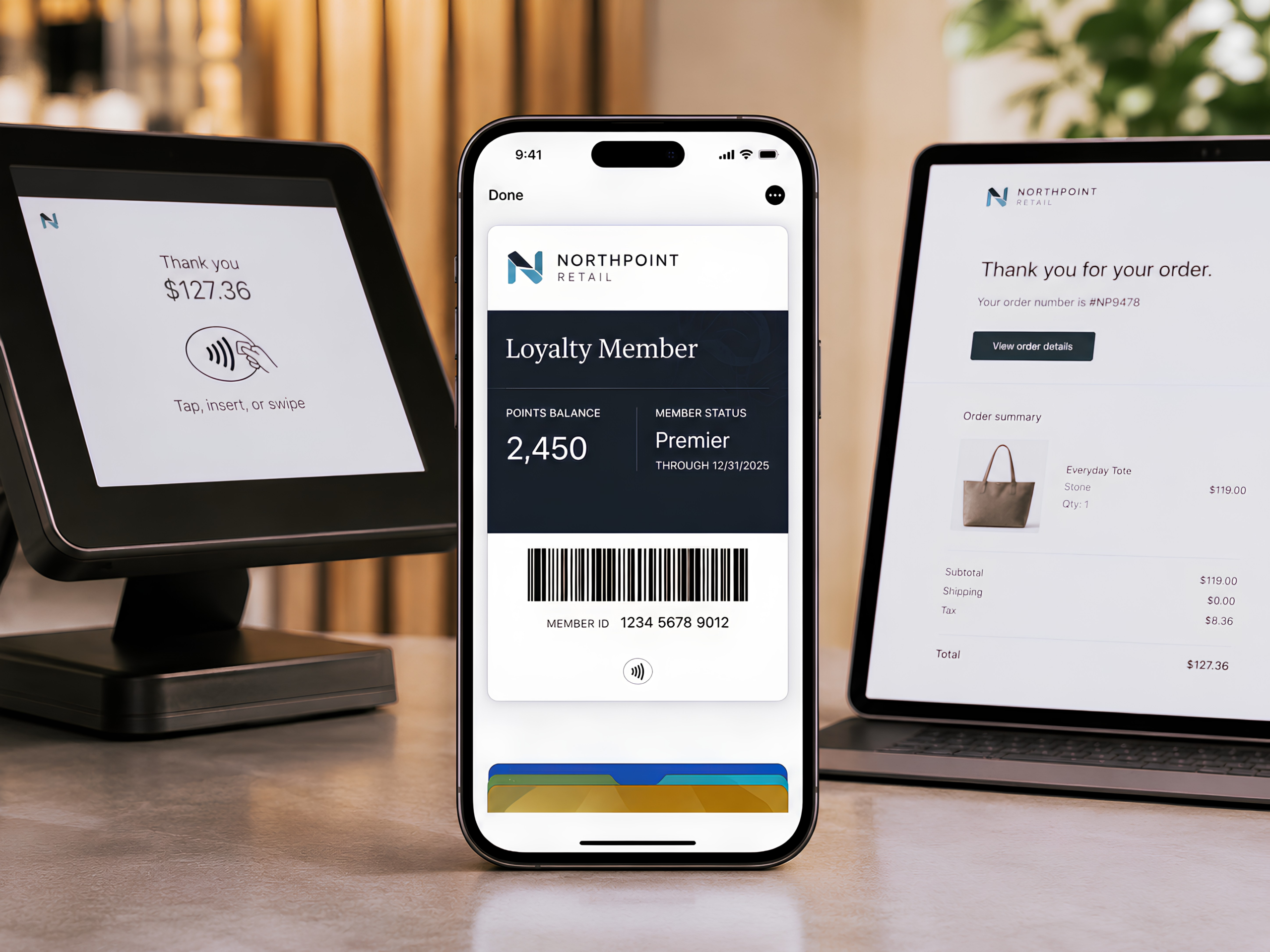
A mobile wallet loyalty program gives customers a digital loyalty card they can save to Apple Wallet or Google Wallet. Instead of searching through email, logging into an app, or carrying a physical card, members can access loyalty information directly from their phone.
A wallet pass can display a member ID, barcode, QR-style element, points balance, tier status, reward, offer, expiration date, or next step. It can also be updated as the customer’s relationship with the brand changes, which makes the pass more than a static card.
That matters because many loyalty channels are useful for communication but weak as access points. Email can introduce an offer, but it is easy to bury. Apps can support rich experiences, but only if customers download them, stay logged in, and remember to open them. Printed cards are familiar, but they are easy to lose and difficult to update.
Wallet passes sit closer to the customer’s normal mobile behavior. They are persistent, easy to find, and built for quick use. For brands, they also create a channel that can support updates, push notifications, location-based messages, and ongoing engagement without requiring every customer to adopt a separate branded app.
Bambu Wallet helps businesses create, distribute, update, and manage digital wallet passes for Apple Wallet and Google Wallet. Brands can use these passes for loyalty cards, offers, memberships, gift cards, event tickets, insurance cards, IDs, service reminders, and other customer engagement use cases.
The value is not just that the loyalty card becomes digital. It is that the program becomes easier to carry, easier to see, and easier to use.
How Brands Can Simplify the Customer Loyalty Experience
A simpler customer experience does not require a less sophisticated loyalty strategy. Brands can still run advanced segmentation, personalize offers, trigger lifecycle campaigns, update rewards, measure engagement, and connect loyalty activity to broader marketing or operational systems.
The customer does not need to see all of that infrastructure. They need a clean, current view of the value that applies to them.
That is the balance loyalty teams should be working toward: more intelligence behind the scenes, less friction at the point of use. A wallet pass can act as that customer-facing layer, giving members one place to access their status, rewards, offers, and identity while the brand manages updates, logic, reporting, and workflows in the background.
When this works, the program feels easier without becoming less capable. The brand gets control. The customer gets clarity. And the loyalty experience becomes more likely to influence behavior because it is available when the customer is ready to act.
Why Loyalty Program Usability Is a Competitive Advantage
The next phase of loyalty will not be defined only by richer perks or more advanced personalization. Those will still matter, but they will not be enough if customers cannot easily access the value being created for them.
The brands that improve loyalty performance will reduce the distance between enrollment and action. They will make rewards visible before customers forget about them. They will give members a simple way to access their identity, benefits, and offers. They will design loyalty experiences around the moments when customers are most likely to use them.
That does not mean abandoning complexity. It means putting complexity in the right place.
Behind the scenes, loyalty systems can be sophisticated. In the customer’s hand, the experience should feel simple, useful, and immediate.
For brands evaluating the next phase of loyalty, the opportunity is not only to add more perks or personalization. It is to make the existing program easier to access, easier to understand, and easier to use when customers are ready to act.
Learn more about Bambu Wallet’s mobile wallet loyalty program solutions.
For more insights on mobile wallet strategy, customer engagement, and loyalty innovation, follow Bambu Wallet on LinkedIn.