Apple Wallet is becoming more than a place to store payment cards.
According to a recent report from 9to5Mac, Apple’s Digital ID feature can now be used for select age verification use cases tied to Apple Accounts and Apple services. The feature originally launched with TSA checkpoint acceptance, allowing users to create a Digital ID in Apple Wallet using information from a U.S. passport and present it with iPhone or Apple Watch. Apple has also indicated that Digital ID may eventually be used by select businesses and organizations for identity and age verification in person, in apps, and online.
For consumers, this is a practical update. For brands, it points to something bigger.
The mobile wallet is becoming a trusted layer of everyday digital life.
People already use Apple Wallet and Google Wallet for payments, boarding passes, event tickets, transit cards, hotel keys, loyalty cards, and more. Digital ID adds another important category to that behavior. It reinforces the idea that the wallet is not just a convenience tool. It is becoming a place where people expect important, frequently used, and trusted information to live.
That shift matters for businesses.
The Wallet Is Becoming a Customer Experience Channel
For years, brands have relied on a familiar mix of customer engagement channels: email, SMS, mobile apps, portals, printed cards, PDFs, and physical mail.
Each has value. Each also has limitations.
Emails get buried. Apps require downloads, logins, permissions, and ongoing usage. Printed cards get lost. PDFs sit inside inboxes or portals. SMS can be effective, but it is not always the right place for persistent information.
The mobile wallet solves a different problem.
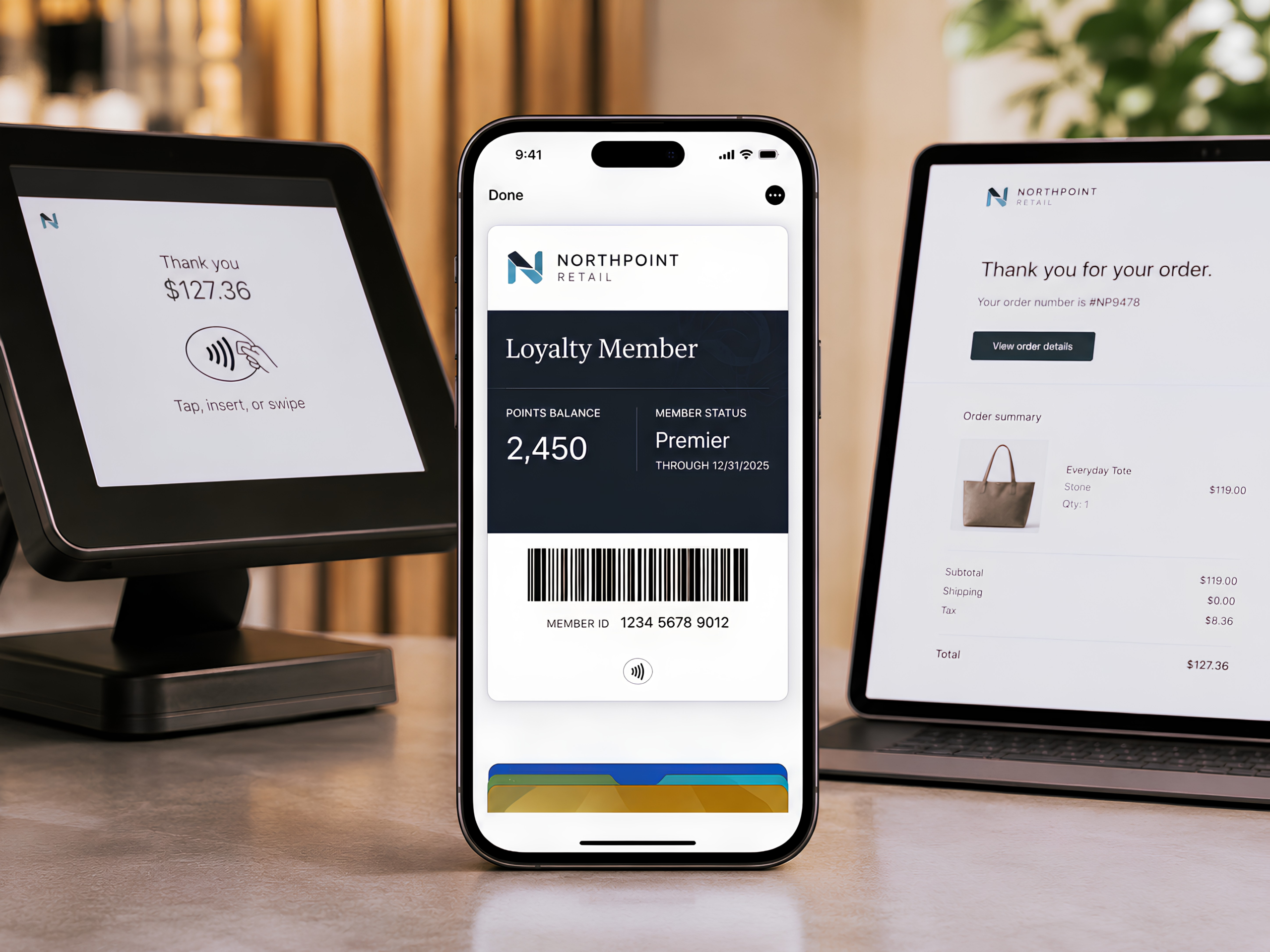
It gives customers a simple, familiar place to store something useful from a brand. A loyalty card. A membership pass. A coupon. An insurance card. An event ticket. A gift card. A service reminder. An access credential.
Once added, the pass stays with the customer. It can be opened quickly, scanned in person, referenced when needed, and updated over time.
That makes the wallet more than a storage location. It becomes a direct customer touchpoint.
Why Apple’s Digital ID Expansion Matters to Brands
Apple’s Digital ID update does not mean every business should start thinking about identity verification. That is a specific use case with specific requirements.
The broader lesson is more important.
Consumers are being trained to trust the mobile wallet with higher-value interactions.
When a customer uses their wallet to board a flight, enter an event, verify a credential, redeem an offer, or access a membership benefit, the behavior becomes more natural. The wallet becomes part of the customer journey.
For businesses, that creates an opportunity to rethink where important customer interactions live.
Instead of forcing customers to search through email, log into an app, find an account number, print a document, or remember a promotion, brands can place useful information directly inside Apple Wallet or Google Wallet.
That has real implications across industries.
Retailers can use wallet passes for loyalty, rewards, offers, gift cards, and in-store promotions.
Restaurants can use them for loyalty, local offers, memberships, and repeat visit campaigns.
Insurance companies can use them for proof of insurance, policyholder communication, renewal reminders, and claims-related updates.
Automotive and financial services companies can use them for prequalification, loan or lease onboarding, payment reminders, service updates, and lease-end communications.
Events, venues, schools, healthcare organizations, membership groups, and service businesses can all use wallet passes to make key information easier to access and easier to update.
The common thread is simple: the customer does not need another app to have a better mobile experience.
The Difference Between a Static Card and a Dynamic Relationship
A physical card is static. So is a printed coupon. Even a PDF can become outdated the moment something changes.
Digital wallet passes are different.
A pass can be updated after it has been added to the customer’s wallet. That means the information on the pass can change as the relationship changes.
- A loyalty pass can show updated points or status.
- An offer pass can display a new promotion.
- An insurance pass can reflect current policy information.
- A membership pass can show renewal status.
- A service pass can surface upcoming appointments, reminders, or next steps.
- A lease-end pass can guide a customer through important dates and options.
This is where the mobile wallet becomes especially valuable. It is not only about giving the customer something to store. It is about creating an ongoing connection that remains accessible after the first interaction.
Why This Matters for Customer Engagement
Many customer journeys break down after the initial touchpoint.
A customer signs up, makes a purchase, receives a welcome email, downloads a PDF, or creates an account. Then the brand has to fight to stay visible.
The wallet changes that dynamic.
When a pass is added to Apple Wallet or Google Wallet, the brand earns a persistent place on the customer’s phone. That presence can support engagement, retention, and operational efficiency.
For marketing teams, wallet passes can support loyalty, offers, promotions, and lifecycle messaging.
For operations teams, they can reduce confusion by making important information easier to find.
For customer experience teams, they can give customers a more convenient way to access cards, credentials, reminders, and account-related details.
For executives, the value is broader: the wallet can become part of a connected customer experience strategy.
Mobile Wallets Reduce Friction Without Requiring Another App
The mobile app has been the default answer to many digital engagement problems. In some cases, that makes sense. Apps can be powerful when customers use them regularly.
But many brands struggle with app adoption, retention, and engagement.
Customers are selective about what they download. They are even more selective about what they continue to use.
Digital wallet passes offer a lighter-weight path.
A customer can add a pass from an email link, QR code, SMS message, landing page, website form, in-store sign, app, or post-purchase flow. Once added, the pass lives in the wallet environment they already understand.
That makes wallet passes useful for brands that want mobile-first engagement without asking every customer to download, log into, and actively use a separate app.
It also makes wallet passes complementary to existing apps. A brand can still have an app, while using wallet passes to make specific moments easier: loyalty access, offer redemption, proof of membership, ticket entry, policy access, or renewal reminders.
The Business Opportunity Ahead
Apple’s Digital ID expansion is not an isolated feature update. It is part of a broader movement toward wallet-based interactions.
The more consumers use mobile wallets for trusted moments, the more natural it becomes for businesses to meet them there.
That does not mean every customer interaction belongs in the wallet. It does mean businesses should think carefully about the interactions that are persistent, repeatable, time-sensitive, or useful in the real world.
Those are the moments where wallet passes can be especially effective.
- A customer checking into an event.
- A shopper redeeming a loyalty offer.
- A policyholder looking for proof of insurance.
- A restaurant guest using a rewards pass.
- A member accessing benefits.
- A driver receiving service reminders.
- A customer approaching renewal.
These are not abstract digital experiences. They are practical moments where convenience matters.
Turning Apple Wallet and Google Wallet Into a Brand Channel
At Bambu Wallet, we help businesses create and manage digital passes for Apple Wallet and Google Wallet.
Brands use Bambu Wallet to deliver loyalty cards, offers, memberships, gift cards, event tickets, insurance cards, IDs, service updates, and other customer engagement experiences. Passes can be distributed through email links, QR codes, SMS, landing pages, web forms, and other customer touchpoints.
Once a pass is added, businesses can update it, manage cardholders, send relevant messages, support location-based engagement, and measure wallet-based activity.
The result is a more connected customer experience that does not depend entirely on email, printed materials, portals, or app adoption.
Apple’s Digital ID expansion is a reminder of where consumer behavior is heading. The mobile wallet is becoming a trusted place for important interactions.
For businesses, the question is no longer whether customers are comfortable using mobile wallets.
The better question is: what customer experience should your brand put there next?