Most customer assets are built for a moment in time.
A printed loyalty card reflects a customer’s status when it was issued. A PDF contains the policy details that were accurate when it was downloaded. A static coupon shows the offer that existed when the campaign launched. An event ticket includes the schedule, gate, or seat information available at the time it was sent.
The problem is that customer relationships do not stay static.
Balances change. Offers expire. Events shift. Appointments move. Membership status updates. Policy details need to be adjusted. A customer who was new last month may be highly engaged today.
When the information changes but the asset does not, brands create friction. Customers are left searching through emails, logging into portals, calling support, or showing outdated information at the point of need.
That is why real-time updates matter.
Static assets can deliver information. Dynamic wallet passes can keep that information current.
The Problem With Static Customer Assets
Static customer assets are familiar because they are easy to create and distribute. A brand can print a card, email a PDF, send a coupon code, or attach a document to a confirmation message.
But once that asset is in the customer’s hands, the brand loses control over its accuracy.
This creates several common issues.
A customer may have an outdated loyalty balance. A member may carry an old version of their card. A patient may reference a previous appointment time. An event attendee may miss an important gate change. A policyholder may rely on old contact or coverage information. A shopper may try to redeem an offer that has already changed.
None of these moments feel like major problems in isolation. But across thousands or millions of customers, they add up. They create support volume, operational inefficiency, customer confusion, and missed engagement opportunities.
The issue is not just that the asset is physical or digital. A static PDF can become just as outdated as a printed card.
The real issue is that the asset cannot change with the customer journey.
Customer Information Changes Faster Than Traditional Assets Can Keep Up
Modern customer engagement is fluid. Brands are constantly adjusting offers, updating account details, changing service schedules, personalizing rewards, and communicating across different lifecycle stages.
That makes static assets a poor fit for many customer-facing use cases.
Loyalty programs are a clear example. A customer’s points balance, tier status, available rewards, and personalized offers can change frequently. If the customer has to open an app, search an inbox, or log into an account to check what is current, engagement drops.
The same problem exists in other industries.
Insurance companies need to keep policyholders updated on coverage details, renewal reminders, roadside assistance information, and claims communication. Event organizers need to communicate schedule changes, access details, sponsor offers, and post-event follow-up. Restaurants and retailers need to keep rewards, offers, and gift card balances easy to access. Automotive groups need to support service reminders, lease-end communication, payment prompts, and retention offers.
In each case, the value of the asset depends on whether it reflects what is true right now.
If it does not, the customer experience starts to break down.
Real-Time Wallet Passes Create a More Useful Customer Touchpoint
Digital wallet passes give brands a different model.
Instead of issuing a static asset and hoping it remains useful, brands can create a pass that lives inside Apple Wallet or Google Wallet and updates over time.
That pass can reflect the customer’s current status, balance, offer, appointment, membership, ticket, or policy information. It can also support push notifications, reminders, and location-based messages when relevant.
This makes the pass more than a digital replacement for a card. It becomes a persistent customer touchpoint.
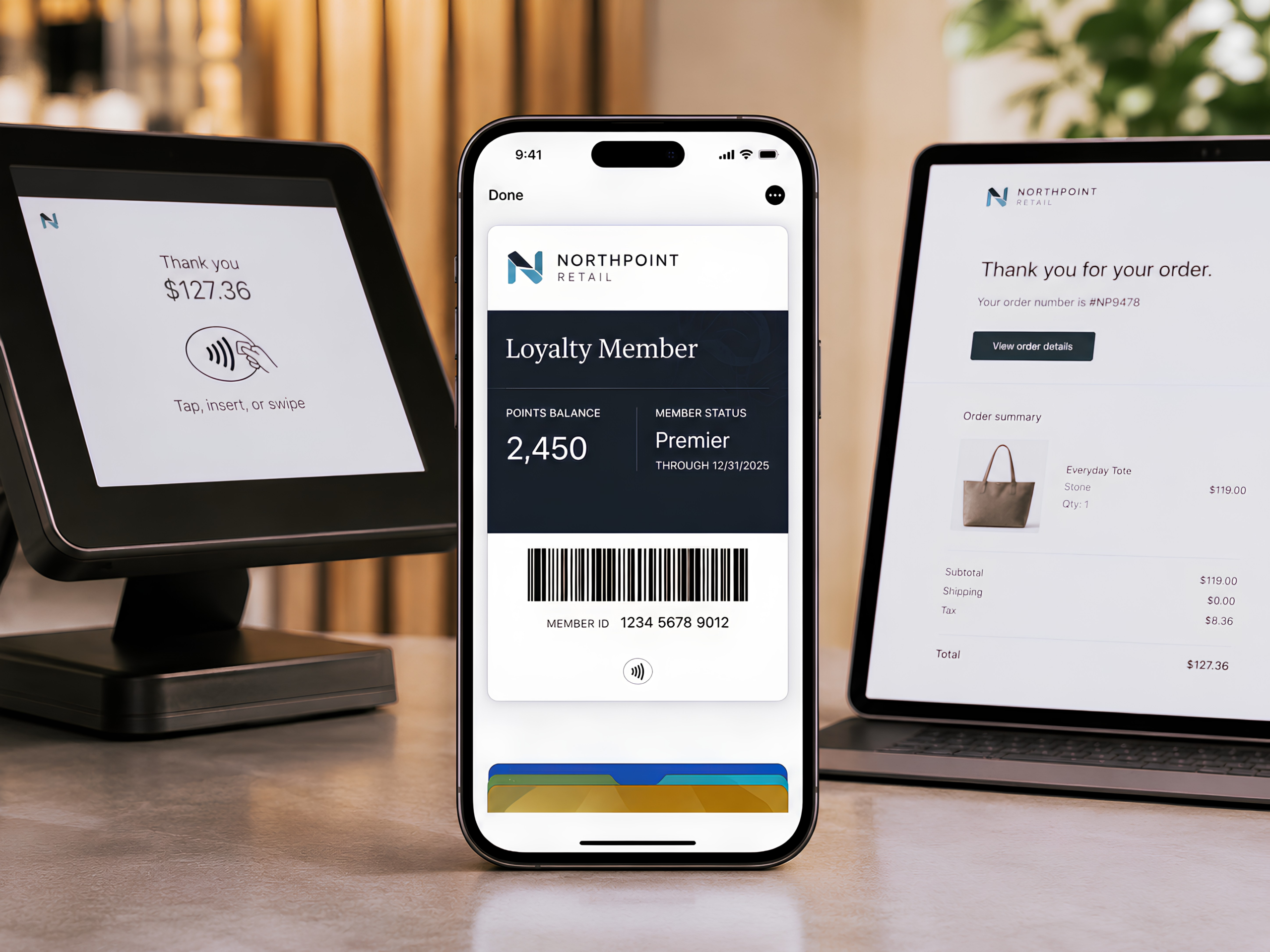
A loyalty card can update when points are earned or redeemed. A coupon can reflect a new expiration date or promotional offer. A membership card can show upgraded status. An insurance card can display current policy details. An event pass can update with venue information or schedule changes. A service pass can remind a customer when maintenance is due.
The customer does not need to download a new app or search through old messages. The current information is already available in a place they use every day.
That is the real advantage.
The pass stays with the customer, and the brand can keep it relevant.
Real-Time Updates Improve the Customer Experience
Customers do not think in terms of channels. They think in terms of access.
- Can I find my reward?
- Is this offer still valid?
- Where do I need to go?
- What is my current status?
- When is my appointment?
- Who do I contact?
- What do I need to show?
When the answer is buried in an email, locked behind a login, printed on an old card, or scattered across multiple touchpoints, the experience feels harder than it should.
Real-time wallet passes reduce that friction.
They give customers one convenient place to access information that may otherwise be difficult to find. They also reduce the risk that customers rely on something outdated.
For brands, this matters because small access issues often become larger engagement issues. If customers cannot easily use a reward, they are less likely to return. If they cannot find an offer, they are less likely to redeem it. If they miss an update, they may blame the brand even if the information was technically sent somewhere else.
A wallet pass helps close that gap by making the customer asset both accessible and current.
Real-Time Updates Reduce Operational Drag
The value is not only on the customer side.
Static assets create work for the business. Teams need to reprint cards, resend documents, update landing pages, answer avoidable questions, and manage confusion caused by outdated information.
This is especially important for organizations with large customer bases or complex customer journeys.
A retailer with millions of loyalty members cannot rely only on email to keep every customer informed. An insurance company does not want policyholders calling support because they cannot find updated information. A venue does not want staff resolving confusion at the gate because customers have old details. A restaurant group does not want guests missing offers because they were buried in previous messages.
Real-time wallet passes help reduce this operational drag.
Instead of replacing the asset every time something changes, the brand can update the pass. Instead of depending on the customer to find the newest version, the current version remains available in the wallet. Instead of creating a disconnected experience, the pass becomes part of an ongoing engagement system.
That can reduce support friction, improve campaign execution, and make customer communication easier to manage.
Static Assets Are a Liability in a Real-Time Customer Lifecycle
The more dynamic a customer relationship becomes, the less useful static assets become.
A printed card may still have a place. A PDF may still be needed for certain records. Email will remain important. Apps will continue to serve deeper account and transaction use cases.
But for many recurring customer interactions, static assets are no longer enough.
Customers expect information to be current. They expect access to be easy. They expect brands to recognize the context of the relationship.
That requires customer assets that can change over time.
Digital wallet passes are well suited for this shift because they combine access, persistence, and updateability. They do not ask customers to adopt another app. They do not disappear as quickly as an email. They do not become useless the moment something changes.
They remain available on the customer’s phone and can evolve with the customer journey.
The Future of Customer Assets Is Dynamic
The most valuable customer assets are no longer just designed well. They are maintained well.
A loyalty card is more useful when it shows the current balance. A membership card is more useful when it reflects current status. An offer is more useful when it can be updated. A ticket is more useful when event details can change. An insurance card is more useful when policy information stays current. A service reminder is more useful when it arrives at the right time.
This is the shift brands need to recognize.
The customer asset is not just a piece of information. It is part of the customer experience.
When that asset is static, the experience can quickly become outdated. When it is dynamic, it can remain useful long after the first interaction.
For brands looking to improve engagement, retention, and operational efficiency, real-time updates are not just a technical feature. They are a better way to manage the customer relationship.
Digital wallet passes give businesses a practical path forward by turning Apple Wallet and Google Wallet into persistent, updateable customer touchpoints.
Instead of sending static assets into the world and hoping they stay relevant, brands can create wallet experiences that move with the customer.
That is where the real value is.
Build Dynamic Customer Experiences With Bambu Wallet
Bambu Wallet helps businesses create, distribute, update, and manage digital wallet passes for Apple Wallet and Google Wallet. From loyalty cards and offers to memberships, insurance cards, event tickets, service reminders, and lifecycle communications, Bambu Wallet gives brands a more flexible way to keep customer information current.
Book a demo to see how real-time wallet passes can support your customer engagement strategy. For more insights on mobile wallet marketing, customer engagement, and digital wallet pass strategy, follow Bambu Wallet on LinkedIn.