Customer support teams often spend a significant amount of time resolving issues that should not require direct assistance.
A customer cannot find a membership card. A loyalty member wants to know where a reward went. A policyholder is unsure whether an insurance document reflects the latest update. An event attendee needs a ticket resent hours before arrival.
Each request may be simple, but the cumulative operational impact is not. Repetitive questions consume support capacity, extend response times, and create unnecessary friction for customers trying to access information that already belongs to them.
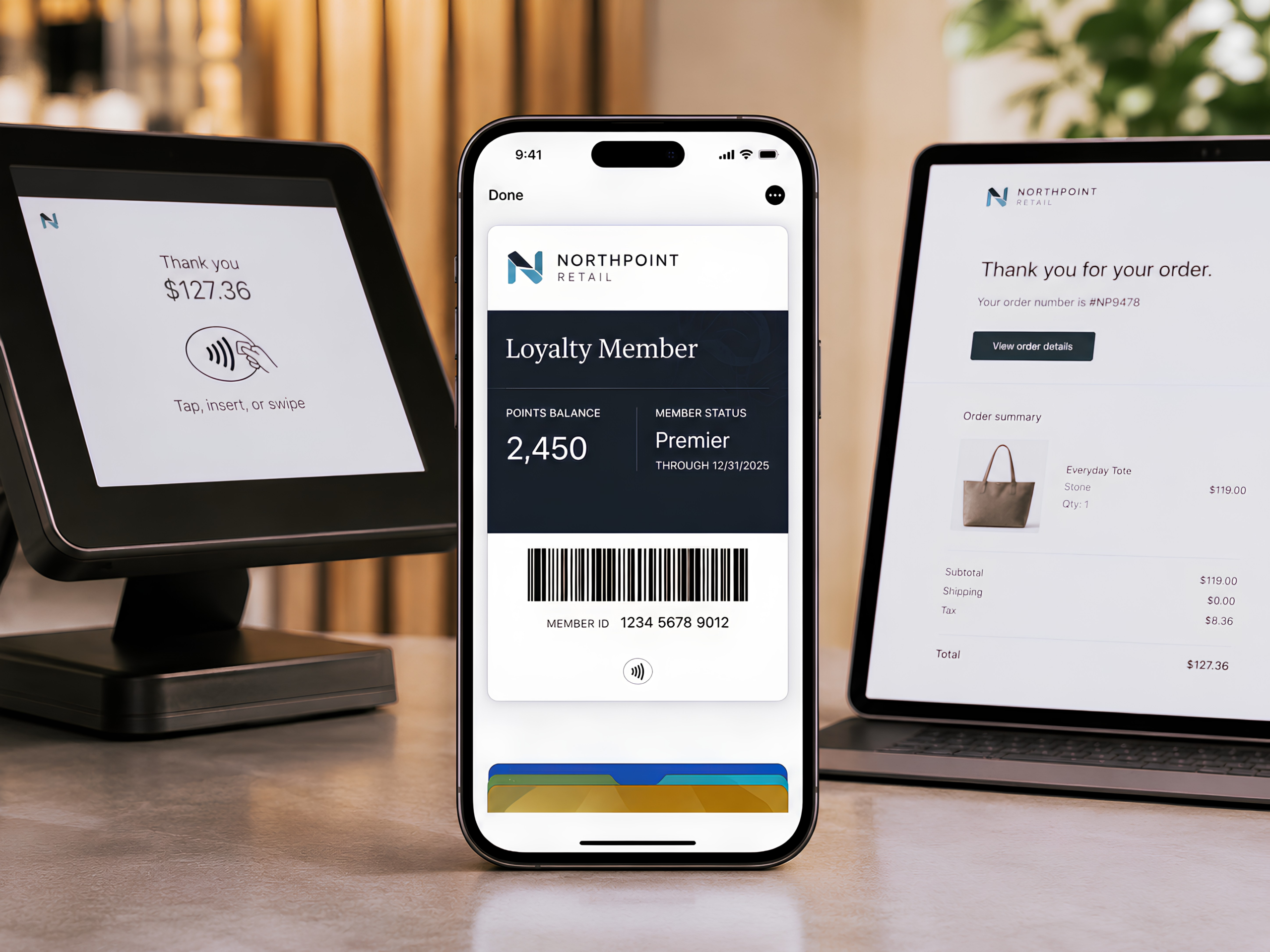
Mobile wallet passes can address this problem by giving customers persistent, self-service access to important information inside Apple Wallet and Google Wallet. When passes are designed to remain current and useful over time, they can reduce avoidable support volume while creating a more convenient customer experience.
Many Support Requests Begin With an Access Problem
Customers do not always contact support because the underlying information is complicated. They often contact support because the information is difficult to locate.
Physical cards are misplaced. Emails are deleted or buried. PDF attachments become outdated. Portal credentials are forgotten. Tickets must be searched for at the exact moment they are needed.
This creates common support requests such as:
- “Can you resend my ticket?”
- “Where can I find my membership number?”
- “Why is my reward not showing?”
- “Did my policy information change?”
- “Can I get another copy of my card?”
- “When does this offer expire?”
These interactions are usually treated as customer service issues, but many are ultimately information-delivery issues.
The customer needs access to a specific piece of information. The business has already provided it, but the delivery method has made it difficult to retrieve, confirm, or trust.
Mobile Wallet Passes Create a Persistent Access Point
A mobile wallet pass gives customers a consistent place to access information they may need repeatedly.
Instead of searching an inbox, requesting another attachment, or returning to a portal, the customer can open Apple Wallet or Google Wallet and view the pass directly. Loyalty cards, memberships, event tickets, insurance cards, offers, gift cards, IDs, and other credentials can remain available in a familiar location on the customer’s phone.
This persistence matters because customers often need information long after the original interaction.
A ticket purchased weeks earlier must still be accessible at the venue entrance. An insurance card must remain available during a traffic stop or accident. A loyalty balance may be checked months after enrollment. A membership card may be used throughout an entire year.
When access is dependable, customers have less reason to contact support simply to recover information they have already received.
Self-Service Works Better When Information Stays Current
Providing access is only part of the solution. Customers must also be confident that the information they see is accurate.
Static cards, screenshots, emails, and downloaded documents can become outdated when account details, rewards, schedules, policies, or eligibility change. Once multiple versions exist, customers may not know which one to trust.
That uncertainty creates another layer of support friction.
A customer may have a document but still ask whether it is current. An event attendee may have a ticket but need confirmation that the time or entrance has not changed. A policyholder may see an old coverage detail and contact an agent for clarification.
Dynamic wallet passes can be updated after they have been added to a customer’s mobile wallet. Businesses can change relevant pass content without requiring the customer to download another file or replace the pass manually.
Depending on the use case, updates could include:
- Loyalty balances or reward status
- Membership levels and expiration dates
- Policy information
- Event times, locations, or entry instructions
- Gift card balances
- Appointment details
- Offer terms and expiration dates
- Service or renewal information
This creates a more reliable self-service experience. The wallet pass becomes a current source of information rather than a static record of what was true when it was first issued.
Proactive Communication Can Prevent Support Requests
Support friction also occurs when customers do not know that something has changed.
When an event time moves, a reward becomes available, a membership approaches expiration, or a policy document is updated, the customer may not discover the change until it creates a problem.
Mobile wallet passes can support push notifications and other timely communications connected to the pass. This allows businesses to alert customers when there is a meaningful update rather than waiting for them to notice an inconsistency or contact support.
For example, a business could notify a customer that:
- A new reward has been added
- An event entrance has changed
- A membership is approaching renewal
- An updated insurance card is available
- An offer is about to expire
- A service appointment is approaching
The value is not simply another messaging channel. It is the connection between the message and the information the customer needs.
The notification can direct attention back to the updated pass, where the relevant details are already available. This reduces the gap between informing the customer and helping them take action.
Reduced Support Volume Is an Operational Benefit
Not every support request can or should be eliminated. Customers will continue to need human assistance for complex questions, disputes, exceptions, and sensitive situations.
The goal is to reduce the volume of avoidable requests that do not require a support specialist’s judgment.
When customers can independently find a current card, confirm a balance, retrieve a ticket, or review updated information, support teams can spend less time on repetitive retrieval tasks. That capacity can then be directed toward interactions where human assistance provides greater value.
The operational benefits can include:
- Fewer requests to resend cards, tickets, or documents
- Less time spent confirming basic account information
- Lower dependence on manual updates and replacements
- Shorter queues for more complex support cases
- More consistent information across customer touchpoints
- Reduced printing and physical card replacement costs
For organizations operating at scale, even a modest reduction in repetitive contacts can improve efficiency. The value grows as the number of customers, locations, policies, members, or transactions increases.
The Customer Experience Improves at the Same Time
Operational efficiency initiatives can sometimes create concern that the business is shifting work onto the customer. Effective self-service should do the opposite.
Customers generally do not want to contact support to complete a simple task. They want the fastest, clearest path to the information they need.
A well-designed wallet pass can make that path shorter.
The customer does not need to learn a new interface for every brand, install another app, or remember another password. The pass lives in a mobile wallet environment already used for payments, boarding passes, tickets, and identification.
This familiarity reduces effort. It also gives the customer more control over when and how they access important information.
The result is a customer experience that is both more independent and more supported.
Wallet Strategy Should Include Support Operations
Mobile wallet programs are often evaluated through a marketing lens. Businesses consider loyalty engagement, offer redemption, repeat visits, and customer retention.
Those use cases remain important, but they are not the full picture.
Wallet passes can also function as operational tools. They can improve how information is delivered, maintained, and retrieved throughout the customer lifecycle. That makes them relevant to customer experience, service, operations, digital transformation, and IT teams, not only marketing.
Organizations considering mobile wallet passes should identify the support questions that occur most frequently and determine how many begin with one of three problems:
- 1. The customer cannot find the information.
- 2. The customer does not know whether the information is current.
- 3. The customer was not notified when something changed.
These are areas where a persistent, updateable wallet pass may reduce friction.
A More Accessible Customer Experience
Customer support friction is not always caused by poor service. Often, it is caused by fragmented access to information.
Mobile wallet passes help address that fragmentation by placing useful content inside Apple Wallet and Google Wallet, where customers can retrieve it when needed. Because the pass can remain available, receive updates, and support timely notifications, it can serve as an ongoing customer touchpoint rather than a one-time digital card.
For businesses, this can mean fewer repetitive support requests, more efficient operations, and a clearer way to keep customers informed.
For customers, it means less searching, less uncertainty, and faster access to the information that matters.
Bambu Wallet helps businesses create, distribute, manage, and update digital passes for Apple Wallet and Google Wallet. From loyalty and memberships to insurance cards, tickets, offers, and service communications, Bambu Wallet enables organizations to build mobile-first experiences that are easier for customers to access and easier for businesses to maintain.
Ready to explore how mobile wallet passes could reduce customer support friction across your organization? Book a demo with Bambu Wallet.
Follow Bambu Wallet on LinkedIn for more updates, insights, and digital wallet resources.