Marketing teams did not wake up one day and decide to build a 20 tool stack.
It happened the way most operational messes happen: a new channel pops up, a new KPI becomes important, a new region needs compliance support, or a new exec wants “better attribution.” Someone buys a tool to solve the immediate problem. Then another tool to patch what the first tool does not do. Then another tool because the business outgrew the second one.
A year later, you have a stack that technically “works,” but nobody can explain it end to end. Your team spends more time managing systems than creating outcomes.
Martech bloat is not just annoying. It is expensive in ways that do not show up on a vendor invoice.
What martech bloat actually costs you
Most brands can point to licensing costs. The real drag is usually operational.
Common symptoms:
- Multiple tools doing 60 percent of the same job
- Data living in five places, plus a spreadsheet “source of truth”
- Campaign creation requiring handoffs across three systems
- Customer experiences that feel stitched together instead of designed
- Engagement that is technically “automated,” but still depends on manual work to keep it running
It also creates a hidden tax on decision making.
When data is fragmented, performance debates turn into attribution arguments. When workflows are scattered, teams get conservative because every change feels risky. When your stack is complex, you stop shipping improvements because it is too hard to test, too hard to QA, and too hard to roll back.
So the question becomes:
How do you reduce bloat without losing capability?
The mistake is thinking the only option is ripping tools out. Most brands need a consolidation strategy that keeps performance stable while simplifying the customer layer that powers engagement.
This is where wallet infrastructure can do a lot of heavy lifting.
Wallet infrastructure is not “another channel”
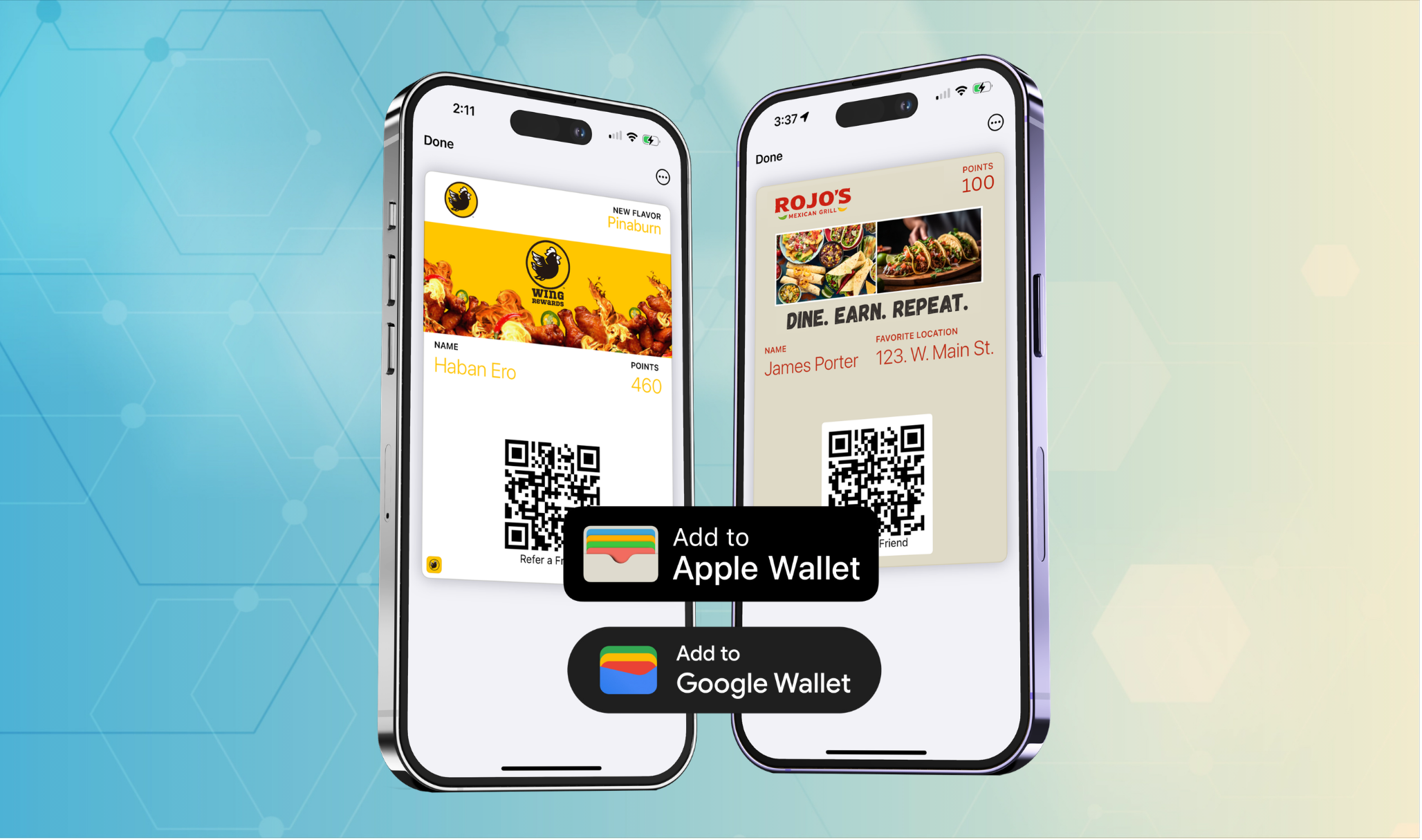
Most teams treat Apple Wallet and Google Wallet as a way to deliver a coupon or a loyalty card. That mindset keeps wallets stuck in the “nice to have” bucket.
A better way to see it is this:
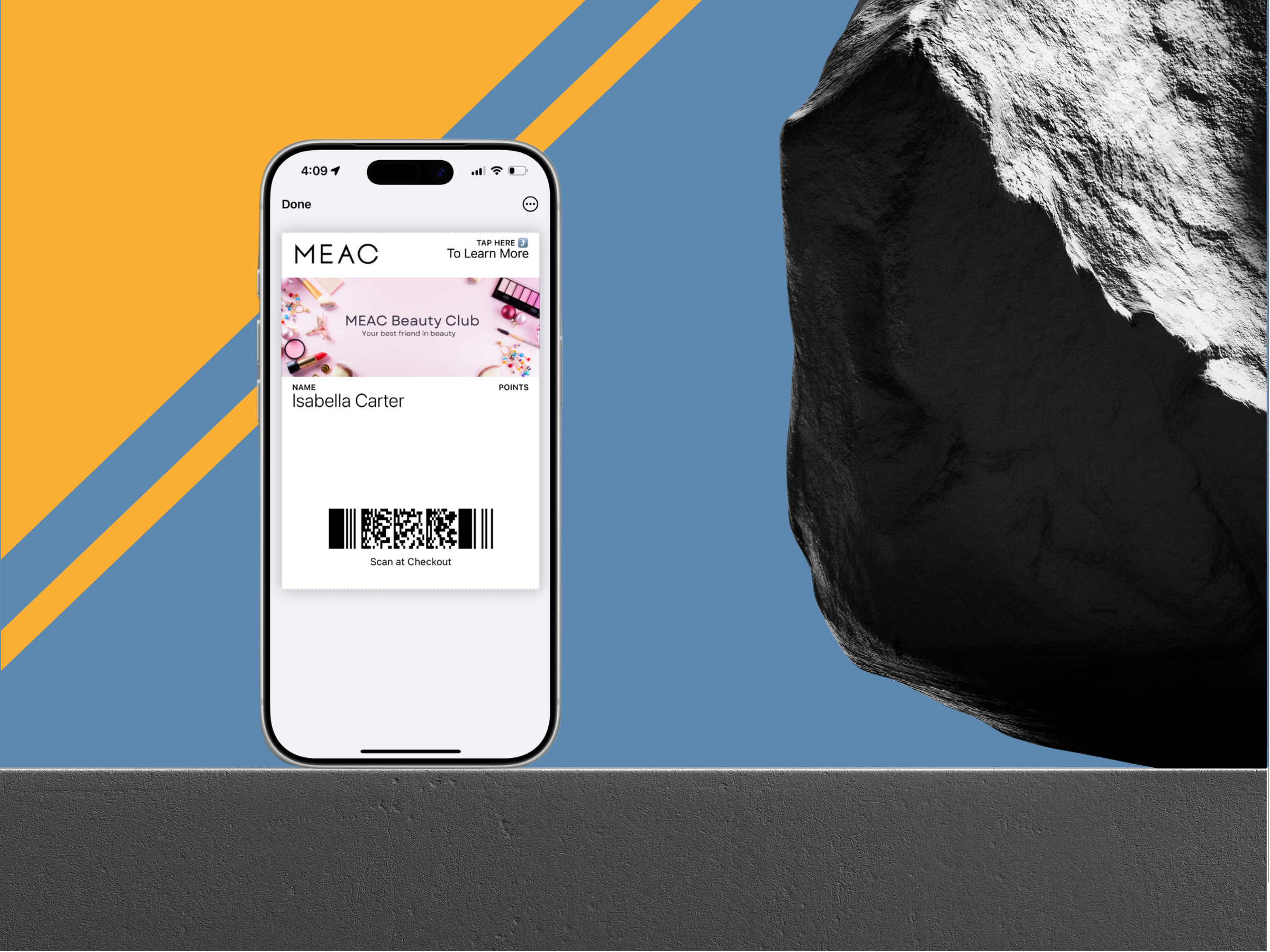
A mobile wallet pass is a persistent, customer held object that can update in real time.
That changes how you design engagement. Instead of pushing customers through a maze of emails, apps, logins, and landing pages, you can centralize key customer interactions inside a pass they already keep.
Wallet infrastructure becomes a simplification layer. It does not replace your CRM or CDP. It replaces a lot of redundant engagement plumbing that sits between your systems and the customer experience.
Where stacks get bloated: the “engagement middle”
Most brands have three broad layers:
- 1. Systems of record – CRM, CDP, POS, ecommerce, data warehouse.
- 2. Engagement middle – Messaging tools, landing page builders, coupon platforms, loyalty UX, membership portals, identity wrappers, update workflows.
- 3. Customer surface – App, web, inbox, SMS, push notifications.
Martech bloat explodes in the engagement middle because teams keep buying specialized tooling to create experiences across the customer surface.
Wallet passes compress that middle layer because they can carry multiple engagement functions in one place.
What a wallet pass can consolidate
Think about the things your brand repeatedly builds and rebuilds across tools.
Loyalty and status
Instead of sending “points balance” emails, building a loyalty portal, and maintaining a separate loyalty UI inside an app, a pass can show:
- Points and tier in a single view
- Progress to next reward
- Personalized offers tied to status
- A scannable ID for in store redemption or identification
Offers and coupons
Many coupon programs require a tool to issue the offer, a tool to host the barcode, a tool to message it, and a tool to measure it.
A wallet offer can simplify this into:
- One pass that holds the offer and redemption code
- Real time updates when offers change or expire
- A consistent redemption experience across locations
Membership and access
If you sell access, perks, or membership benefits, a wallet pass can function as a lightweight membership card without needing another portal experience for basic use cases.
It can include:
- Membership tier and renewal date
- Entry access credentials for venues
- Benefit reminders
- Links to manage membership for deeper actions
Operational messaging and reminders
Brands often pay for separate tools to cover “reminders,” “announcements,” and “account updates.”
Wallet infrastructure supports lock screen updates and pass updates that reduce the need to keep re sending the same information through multiple channels.
Examples:
- “Your reward is ready”
- “Your membership renews in 7 days”
- “Offer updated”
- “Store hours change due to weather”
This matters because a lot of engagement tooling exists just to get information in front of the customer again and again.
Why this reduces bloat without reducing capability
Consolidation fails when it is only about cost cutting.
Successful consolidation keeps your outcomes intact:
- Deliverability stays high
- Click and conversion performance does not fall off a cliff
- Customer experience becomes simpler, not thinner
- Teams ship faster because workflows are cleaner
Wallet infrastructure supports this because it does not ask you to abandon your data and orchestration systems. It just changes the surface where customers interact with what those systems produce.
You keep your CRM.
You keep your CDP.
You keep your analytics.
You stop paying three separate vendors to render the same “customer state” in three different ways.
A practical approach to reducing martech bloat with wallets
You do not need a big bang rebuild. The best approach is to start where redundancy is highest.
Here is a clean path that stays logical and low risk.
1) Map your stack by function, not by vendor
Make a simple list of capabilities your stack provides today:
- Identity and customer lookup
- Rewards tracking
- Offer issuance and redemption
- Messaging and reminders
- Landing pages and preference capture
- In store scanning and support workflows
Now list what tools support each capability.
You will quickly see overlap.
2) Identify the “repeat touch” moments
Wallet passes are most powerful when the customer needs to come back to something:
- Ongoing loyalty status
- A reward they want to use later
- A membership credential
- A benefit they need at a location
- A promotion that updates over time
If a customer needs that information more than once, it is a good wallet candidate.
3) Replace experiences, not systems of record
Do not try to rip out your CRM or loyalty engine.
Use wallet infrastructure to replace the repeated experience layer that sits on top:
- Replace points balance emails with a live pass field
- Replace “here’s your barcode” landing pages with a pass barcode
- Replace membership cards in app with a wallet credential
4) Simplify your workflow, then measure
A common worry is, “Will we lose performance?”
You will not know until you measure the right things. The trick is measuring outcomes, not channel vanity metrics.
Track:
- Redemptions per issued offer
- Time from offer issue to redemption
- Repeat usage over 30 to 90 days
- Support tickets related to lost offers or confusion
- Campaign build time and QA time for the team
The operational metrics matter because reducing bloat is an operations win as much as it is a marketing win.
5) Consolidate vendor spend after stability
Once the wallet based workflows are stable, then you can start cutting redundant tools with confidence.
This order matters.
If you cancel tools first, you risk breaking workflows. If you replace experiences first, you prove performance and build internal trust.
What this looks like in the real world
A brand with a bloated stack might run something like this:
- Coupon platform to generate codes
- Landing page tool to host the offer
- SMS tool to distribute links
- Email tool to follow up
- Loyalty portal to show points
- Separate membership system for IDs
- Separate analytics tool to stitch outcomes
Wallet infrastructure can compress that into fewer moving parts:
- One pass for the customer surface
- One workflow to issue and update the pass
- Your existing systems of record feeding the pass
- A smaller set of messaging touchpoints, because the pass itself persists
You still use SMS, email, and push. You just stop using them to repeatedly recreate the same customer state. Instead, those channels become what they should be: triggers that drive customers back to a persistent object.
The real goal: capability with less surface area
Reducing martech bloat is not about having fewer logos on a slide.
It is about reducing surface area.
Every tool adds surface area:
- another integration
- another data model
- another login
- another failure point
- another workflow to train people on
Wallet infrastructure helps because it consolidates customer facing functionality into a single place customers already understand, and it lets your team operate from a cleaner engagement layer.
Fewer systems to manage. Fewer experiences to rebuild. Less redundancy.
More shipping. More consistency. More control.
If you want to see how mobile wallets can support enterprise scale engagement across loyalty, membership, offers, and ongoing communication, book a demo to see how Bambu Wallet helps enterprises and growing brands deploy scalable mobile wallet programs inside Apple Wallet and Google Wallet, or follow us on LinkedIn for more insights on simplifying modern engagement infrastructure.