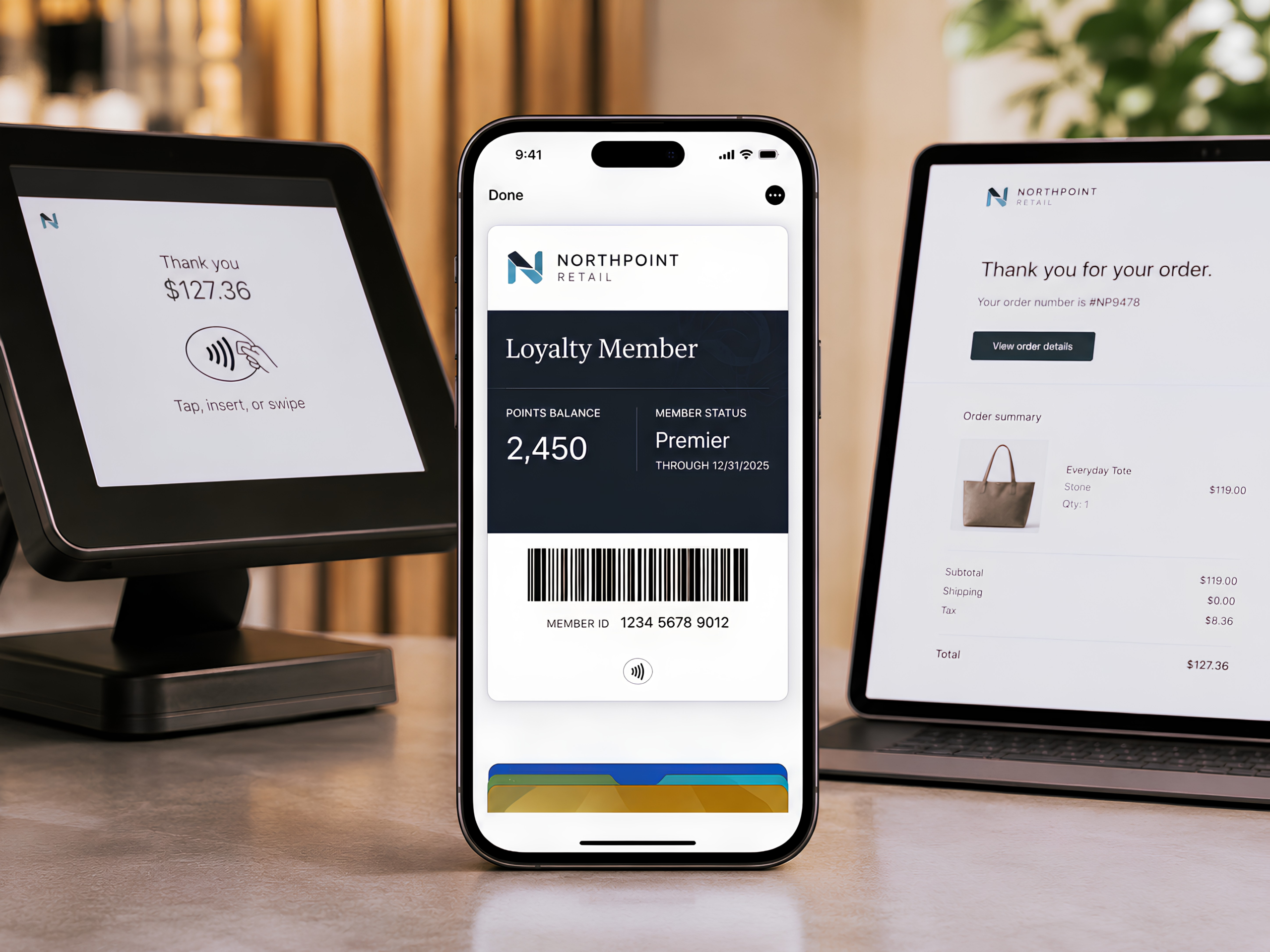
Most brands spend heavily to win the sale. They optimize ads, landing pages, checkout flows, promotions, and conversion paths because the purchase is easy to measure.
What happens after the purchase often receives less attention.
That is where many customer experience problems begin. The order confirmation gets buried in email. The warranty information is hard to find. The reward balance is forgotten. The renewal reminder arrives too late, or in a channel the customer ignores. A follow-up offer is sent, but the customer never sees it at the moment it would be useful.
The sale may be complete, but the relationship is still forming.
For many brands, the post-purchase experience is one of the most underused opportunities to improve retention, reduce friction, and create more repeat engagement. Digital wallet passes can help close that gap by giving customers a persistent, mobile-first place to access important information after checkout.
The customer journey does not end at checkout
Checkout is often treated as the finish line. From the customer’s perspective, it is closer to the beginning of the ownership experience.
After someone buys, books, enrolls, subscribes, or registers, they still need information. They may need to track an order, redeem a benefit, schedule service, access proof of purchase, manage a membership, use a reward, or remember when something expires.
Most brands already have systems that support those steps. The problem is access.
That information is usually spread across emails, portals, apps, PDFs, printed receipts, account pages, or customer service interactions. Each additional step makes the experience feel less connected. Customers may not want to download another app, search through an inbox, reset a password, or call support just to find something that should be easy to access.
A digital wallet pass gives brands a simpler way to keep useful post-purchase information close to the customer.
A pass can become the customer’s post-purchase touchpoint
Digital wallet passes live inside Apple Wallet and Google Wallet, where customers already store cards, tickets, IDs, boarding passes, and payment methods. That matters because the pass is not another account to remember or another app to open. It is a familiar mobile environment.
Once a customer adds a pass, the brand can continue updating it over time. The pass can reflect a current order status, reward balance, membership tier, warranty period, appointment reminder, renewal date, or offer. It can also support push notifications and location-based messages when relevant.
That makes the wallet pass more than a static card. It becomes a post-purchase communication layer.
For example, a retailer could use a wallet pass to show loyalty points earned from a recent purchase, then update the same pass with a return window reminder or follow-up offer. An automotive brand could use a pass for service reminders, warranty information, and lease-end communication. An insurance provider could keep policy details, renewal prompts, payment reminders, and roadside assistance information accessible in the customer’s wallet.
The use case changes by industry, but the underlying value is the same: important customer information becomes easier to find, update, and act on.
What wallet passes can support after purchase
A strong post-purchase wallet strategy does not need to be complicated. In many cases, the value comes from making existing information easier to access.
Digital wallet passes can support:
- Order updates: Keep customers informed about purchase status, delivery progress, pickup details, or fulfillment milestones.
- Rewards and loyalty: Show points, status, available benefits, or earned offers without requiring the customer to log in.
- Service reminders: Prompt customers when maintenance, appointments, inspections, or follow-up actions are due.
- Warranty information: Give customers a convenient way to access coverage details, expiration dates, proof of purchase, or support contacts.
- Renewal prompts: Remind customers before a policy, subscription, membership, lease, or service agreement expires.
- Follow-up offers: Deliver relevant offers after the sale based on timing, customer behavior, or lifecycle stage.
The goal is not to overload the customer with messages. The goal is to make the next useful step easier.
Better access reduces friction
Post-purchase friction often looks small in isolation. One missed email. One forgotten login. One buried receipt. One customer who cannot find a reward or warranty detail.
At scale, those moments create real business costs.
They lead to more support questions, lower offer redemption, weaker loyalty participation, missed renewal opportunities, and a less consistent customer experience. They also make it harder for the brand to stay visible after the initial transaction.
Digital wallet passes help reduce that friction because they keep the customer’s next action closer at hand. Instead of asking customers to search across channels, the brand can place key information inside a pass that remains on the phone and can be updated as the relationship progresses.
That is especially useful for industries where the post-purchase experience extends over weeks, months, or years. Insurance, automotive, retail, restaurants, events, memberships, and service-based businesses all depend on continued customer engagement after the first interaction.
Wallet passes strengthen lifecycle engagement
A good post-purchase experience does more than answer customer questions. It creates opportunities for the next interaction.
That is where digital wallet passes can support lifecycle marketing. A customer who saves a pass is not only receiving a one-time asset. They are opening a channel the brand can use for timely, relevant updates.
This creates a more connected path from purchase to retention. A loyalty pass can encourage the next visit. A membership pass can remind the customer of unused benefits. A service pass can prompt maintenance before the customer forgets. A renewal pass can reduce churn risk by making the deadline visible before it becomes urgent.
For marketing and customer experience teams, this is valuable because it shifts engagement away from one-off campaigns and toward a persistent customer touchpoint. Email, SMS, apps, and portals can still play important roles. The wallet pass adds another layer, one that is designed around convenience and accessibility.
The post-purchase experience should feel continuous
Customers do not think in terms of internal departments. They do not separate marketing, service, operations, loyalty, and support. They experience the brand as one relationship.
That is why the post-purchase journey matters. When the experience after checkout feels disconnected, the brand feels less reliable. When information is easy to access and updates are timely, the brand feels more useful.
Digital wallet passes help create that continuity. They give customers a simple place to find important details, while giving businesses a flexible way to update, manage, and measure post-purchase engagement.
The brands that improve post-purchase experience will not be the ones that simply send more messages. They will be the ones that make the next step easier for the customer.
The sale starts the relationship. The wallet can help carry it forward.
For more insights on mobile wallet strategy, customer engagement, and loyalty innovation, follow Bambu Wallet on LinkedIn.