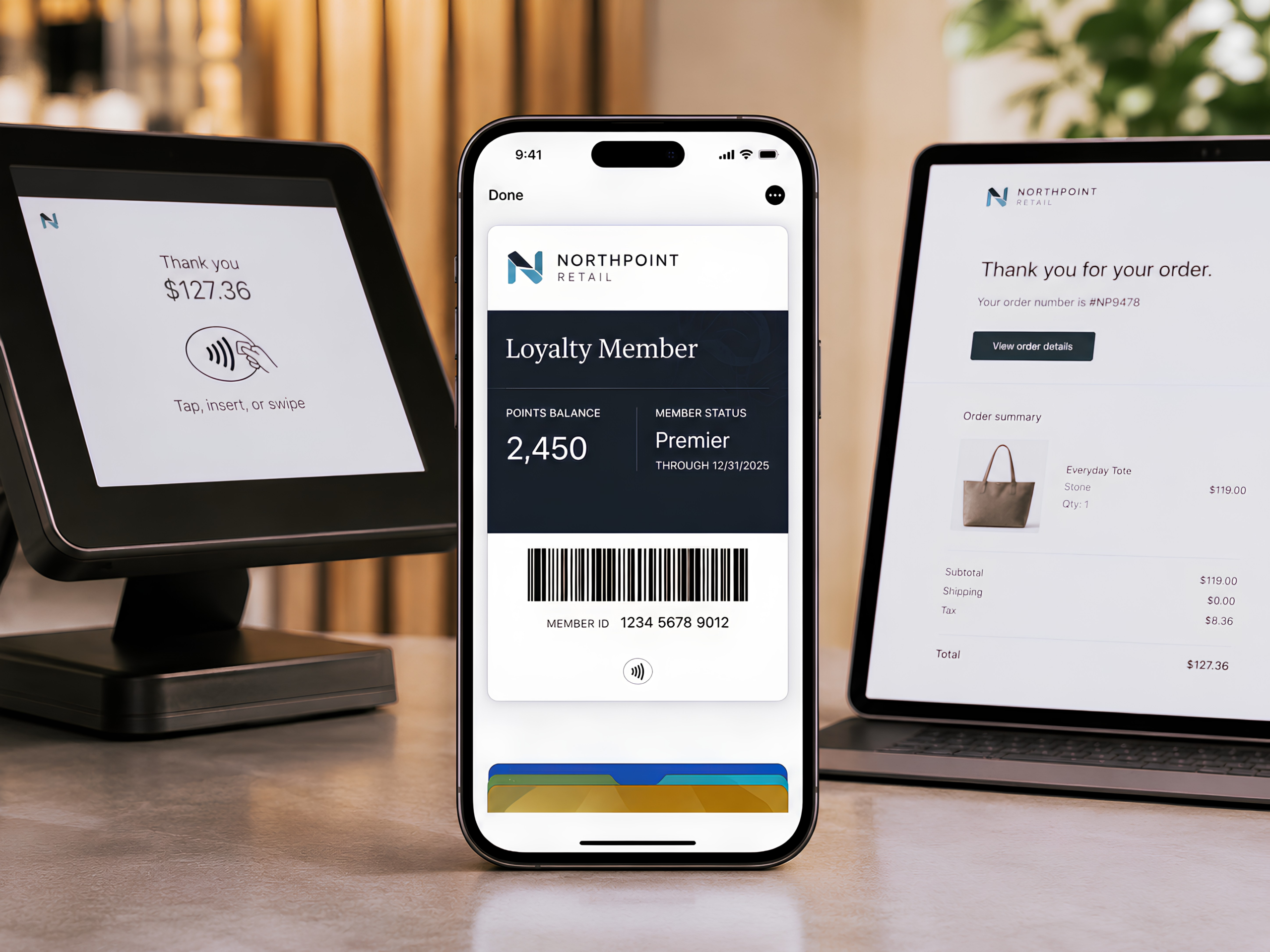
There was a time when “Download our app” was the default call to action for every brand.
Retailers wanted loyalty housed inside their own ecosystem. Restaurants wanted push notifications. Financial institutions wanted account access at your fingertips. Every business had a reasonable argument for why their app deserved space on a customer’s phone.
Then reality set in.
Consumers are selective. Phone storage is finite. Attention is fragmented. And most branded apps simply do not deliver enough recurring value to justify a permanent home on the home screen.
That is where “Save to Wallet” enters the picture.
Mobile wallet and digital wallet experiences are reshaping how brands think about engagement, loyalty, and long-term visibility. Instead of asking customers to install and maintain another app, companies are embedding themselves directly into Apple Wallet and Google Wallet. The result is less friction, more utility, and stronger long-term engagement.
The App Fatigue Problem
Enterprise brands know the data.
App download rates may look promising during a campaign, but:
- 25 percent of apps are used only once
- Many are deleted within days
- Ongoing engagement requires continuous paid media, push notifications, and retention campaigns
Even when an app performs well, it demands ongoing operational overhead. Updates, security patches, UX improvements, analytics, and marketing support are not optional. They are required to maintain relevance.
For SMBs, the problem is even more pronounced. Building and maintaining a fully featured mobile app is expensive. Even white-label solutions require time, budget, and internal resources.
Meanwhile, customers are asking a simple question:
Do I really need another app for this?
Why Mobile Wallets Feel Different
Mobile wallets operate differently from branded apps.
Apple Wallet and Google Wallet are already installed. They are trusted. They are used daily for payments, boarding passes, tickets, and IDs. They are part of habit-driven behavior.
When a brand invites a customer to “Save to Wallet,” it is not asking for new behavior. It is aligning with existing behavior.
That distinction matters.
Instead of:
- 1. Discovering an app
- 2. Downloading it
- 3. Creating credentials
- 4. Granting permissions
- 5. Learning a new interface
Customers simply:
- 1. Tap “Add to Apple Wallet” or “Add to Google Wallet”
- 2. Save the pass
That reduction in friction has a measurable impact on adoption and long-term usage.
Persistent Presence Without the Overhead
A digital wallet pass lives inside the customer’s phone without requiring an app.
That means:
- A loyalty card can surface at checkout
- A membership pass can update in real time
- A coupon can expire automatically
- A balance can refresh dynamically
From an enterprise perspective, this delivers something powerful: persistent brand presence without app dependency.
From an SMB perspective, it delivers enterprise-level functionality without enterprise-level infrastructure.
There is no need to convince a customer to open an app. The pass is there when it is needed.
Utility Over Novelty
One reason apps struggle is that they are often built around novelty rather than utility.
Digital wallets prioritize utility.
Boarding passes show up when you arrive at the airport. Payment cards surface at checkout. Event tickets appear at the venue.
The same principle applies to branded passes:
- A retail loyalty card appears when a customer is near a store
- A fuel rewards pass surfaces when a driver pulls into a station
- A membership card displays when entering a location
This context-aware behavior reinforces relevance. Customers do not have to search. The pass is presented at the right time.
For enterprise brands, this translates to higher engagement and repeat behavior. For SMBs, it translates to simplicity and efficiency.
Cost Structure and Operational Efficiency
Building and maintaining a robust mobile app can easily exceed six figures annually when factoring in:
- Development
- Ongoing updates
- Security compliance
- Customer support
- Marketing to drive installs
A mobile wallet strategy changes that equation.
Digital wallet passes leverage existing infrastructure within Apple Wallet and Google Wallet. Brands focus on the pass experience and backend data integration rather than full app ecosystems.
This reduces:
- Development complexity
- Maintenance overhead
- Customer acquisition friction
- Time to launch
Enterprises can deploy wallet programs across multiple regions faster. SMBs can launch sophisticated loyalty or membership initiatives without hiring an engineering team.
Data and Real-Time Engagement
One misconception is that mobile wallets are static.
They are not.
Digital wallet passes can update in real time. They can integrate with CRM systems. They can support segmentation, triggered notifications, and dynamic content.
For enterprise teams, this means:
- Tracking saves and redemptions
- Updating balances instantly
- Segmenting users based on behavior
- Driving targeted follow-up campaigns
For smaller businesses, it means access to performance data that was once limited to larger players.
Instead of guessing whether a loyalty program is working, brands can see how often passes are saved, opened, and used.
Security and Trust
Consumers trust Apple Wallet and Google Wallet because they are system-level tools.
That trust extends to the passes inside them.
When a brand asks for an app download, customers often hesitate. They wonder about data usage, permissions, and storage.
When a brand asks them to save a pass to their digital wallet, the request feels lighter. It is a familiar environment managed by the operating system.
For enterprise organizations operating in regulated industries such as finance or insurance, this trust factor can significantly improve adoption rates. For SMBs, it removes a barrier that might otherwise slow down program growth.
The Shift in Call to Action
“Save to Wallet” lowers it.
“Download the app” places the burden on the customer.
That subtle shift in language reflects a broader strategic evolution. Brands are no longer trying to own the entire mobile experience. They are focusing on embedding themselves into existing ecosystems where customers already transact.
For enterprise marketing teams, this means rethinking acquisition funnels. Instead of driving installs, they drive wallet saves.
For SMB owners, it means campaigns that feel modern without being complex.
Where This Is Headed
The trajectory is clear.
As digital wallet adoption increases, more brands will recognize that visibility, convenience, and real-time engagement do not require a standalone app.
This does not mean apps disappear. High-frequency use cases will always justify them.
But for loyalty, coupons, tickets, memberships, and rewards, mobile wallets are becoming the default touchpoint.
The companies that adapt early gain:
- Higher adoption rates
- Lower friction
- Reduced operational costs
- Stronger engagement
- More consistent brand presence
In a competitive market, reducing friction often matters more than adding features.
“Save to Wallet” is not just a button. It is a strategic shift toward meeting customers where they already are.
If you are evaluating how mobile wallet or digital wallet passes can fit into your engagement strategy, now is the time to explore what that shift could look like for your organization.
If you want to see how mobile wallets can support enterprise-scale engagement across loyalty, membership, offers, and ongoing communication, Book a demo to see how Bambu Wallet helps enterprises and growing brands deploy scalable mobile wallet programs inside Apple Wallet and Google Wallet, or follow us on LinkedIn for more insights.