Most customer interactions are treated like moments.
A scan at checkout. A one-time coupon redemption. A form fill. A signup for a membership program. A ticket download. A digital gift card purchase.
The interaction happens, the conversion is counted, and then the relationship is allowed to fade.
That is a missed opportunity.
The real value is not just in getting the first action. It is in turning that first action into a persistent connection the brand can keep using over time. That is where mobile wallet passes stand out. Apple Wallet and Google Wallet support passes that can be saved, updated, and surfaced when they are relevant, which makes them much more than static credentials or one-time promotional assets.
When a customer saves a pass to their wallet, the interaction does not have to end there. It can become the start of an ongoing engagement layer that supports loyalty, offers, membership, service updates, reminders, and repeat visits.
The problem with one-and-done interactions
A lot of marketing and customer experience programs still operate on a campaign mindset.
The goal is usually to get the click, the form fill, the purchase, or the signup. Once that happens, the system moves on to the next acquisition target. That approach can work for generating short-term results, but it often leaves long-term value on the table.
If a customer has already shown intent, taken action, and chosen to engage, that is exactly the point where a brand should be building continuity.
Instead, many brands send the customer back into crowded channels:
- The inbox, where messages compete with everything else
- The app store, where asking for a download creates friction
- The SMS stream, where attention is short and messages disappear quickly
- The website, where every return visit depends on the customer deciding to come back
The first interaction already proved interest. The smarter move is to convert that interest into a durable touchpoint the customer can keep and the brand can keep improving.
Why the wallet changes the equation
A wallet pass is different from a traditional campaign asset because it is designed to persist.
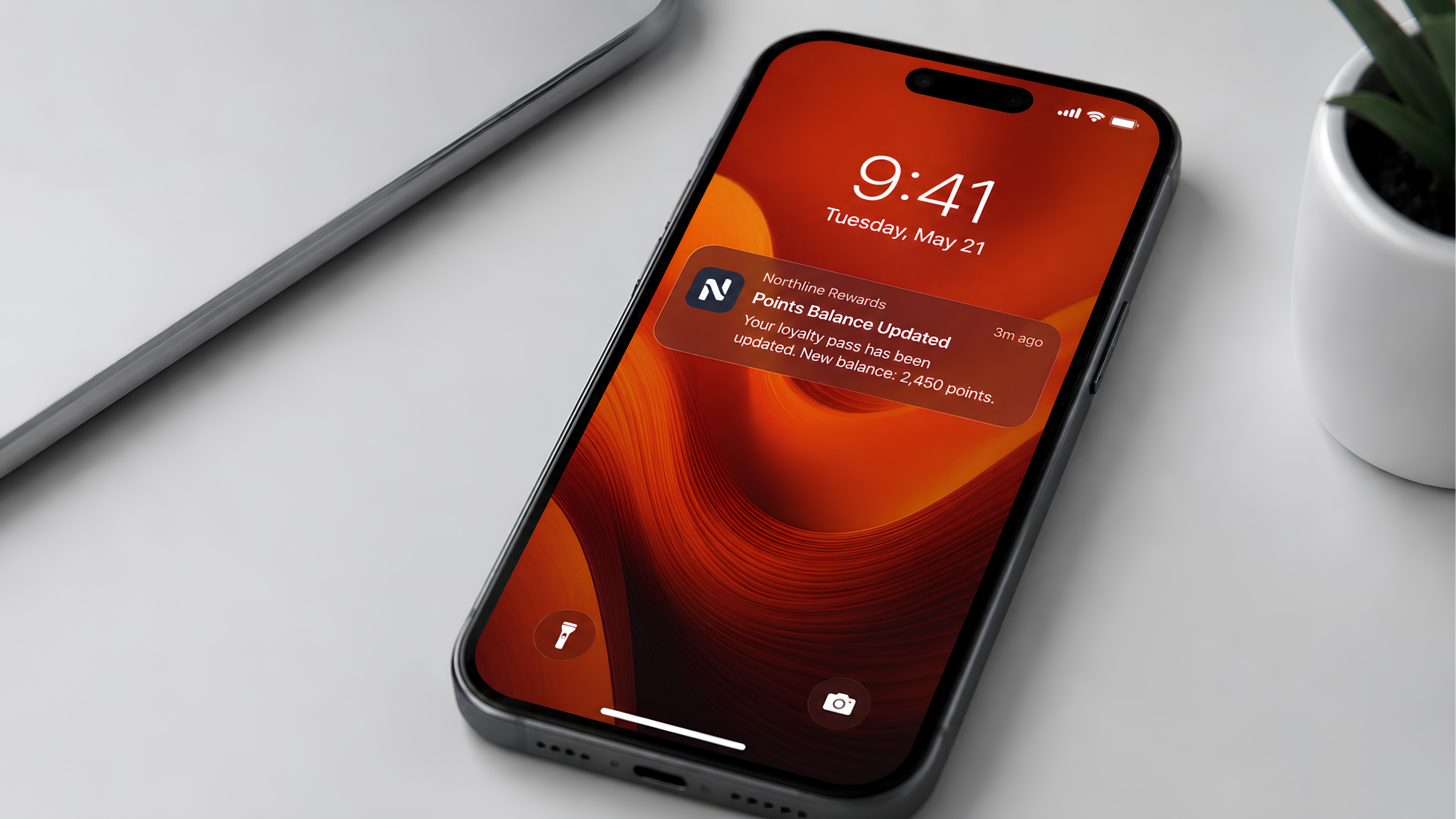
It sits on the device. It stays accessible. It can be updated as the customer relationship changes. On Apple Wallet, passes can be distributed and later updated by issuing a new version of the same pass, and passes can also be registered for update notifications. Google Wallet objects can likewise be updated at the object level, and supported pass types can trigger notifications tied to updates, upcoming events, expiry, or merchant locations depending on the use case.
That matters because it changes the role of the original interaction.
A QR code scan no longer has to lead only to a landing page. It can lead to a saved pass that becomes a reusable loyalty credential.
A one-time purchase no longer has to end with a receipt. It can lead to an offer pass, membership pass, or digital card the customer keeps.
A signup no longer has to create just another email subscriber. It can create a persistent wallet connection that remains available the next time the customer is ready to act.
This is the shift from transaction thinking to lifecycle thinking.
The first interaction is the acquisition point. The wallet is the retention layer.
The easiest way to understand the value is to stop looking at the first interaction as the finish line.
It is the entry point.
Once a pass is saved, brands can design for what happens next:
- A welcome moment that confirms value immediately
- Profile or status updates that keep the pass useful
- Timely reminders that bring the customer back
- Location-aware relevance for in-person use cases
- Offer refreshes that create repeat visits
- Balance, tier, or membership changes that make the pass feel alive
- Operational updates that reduce confusion and service friction
Apple Wallet supports relevance based on time and location for passes, and Google Wallet supports pass updates and multiple notification patterns across supported pass types.
That means a pass can continue to earn its place on the customer’s phone. It is not just stored. It stays useful.
What lifecycle design actually looks like
The biggest mistake brands make is treating the wallet pass like a digital version of a plastic card.
That undersells the channel.
Strong lifecycle design asks a different question: once the customer saves this pass, what ongoing value will make them glad they kept it?
A better wallet strategy usually includes a few clear stages.
1. Immediate value
The pass should do something useful right away.
That might be:
- Loyalty enrollment confirmation
- A welcome offer
- Instant access to membership
- Proof of purchase or service status
- A scannable ID, code, or account credential
The customer should understand within seconds why saving it matters.
2. Ongoing utility
The pass needs a reason to remain relevant after day one.
This can come from:
- Points or balance updates
- Membership status changes
- Rotating promotions
- Expiration reminders
- Event or appointment details
- Location-based relevance for stores, venues, or service points
If the pass never changes, it stops being an engagement asset and becomes a static object.
3. Timely re-engagement
The best wallet programs create reasons to return.
That could be a limited-time offer before the weekend, a reminder that a benefit is about to expire, or an update when something important changes. The point is not to send more messages for the sake of it. The point is to make the pass more useful at the moments when action is most likely.
4. Long-term relationship value
Over time, the pass becomes a customer touchpoint that reflects the ongoing relationship.
It can hold history, status, rewards, access, or service information. It can support retention, not just acquisition. It can reduce the need to constantly reacquire the same customer through paid channels.
That is when the economics start to look different.
Where brands get the most value
This approach is especially strong when the business already has repeat interactions to support.
For example:
- Retail and grocery: loyalty cards, personalized offers, seasonal campaigns, visit reminders
- Restaurants and food service: rewards, stored value, limited-time offers, order-driven engagement
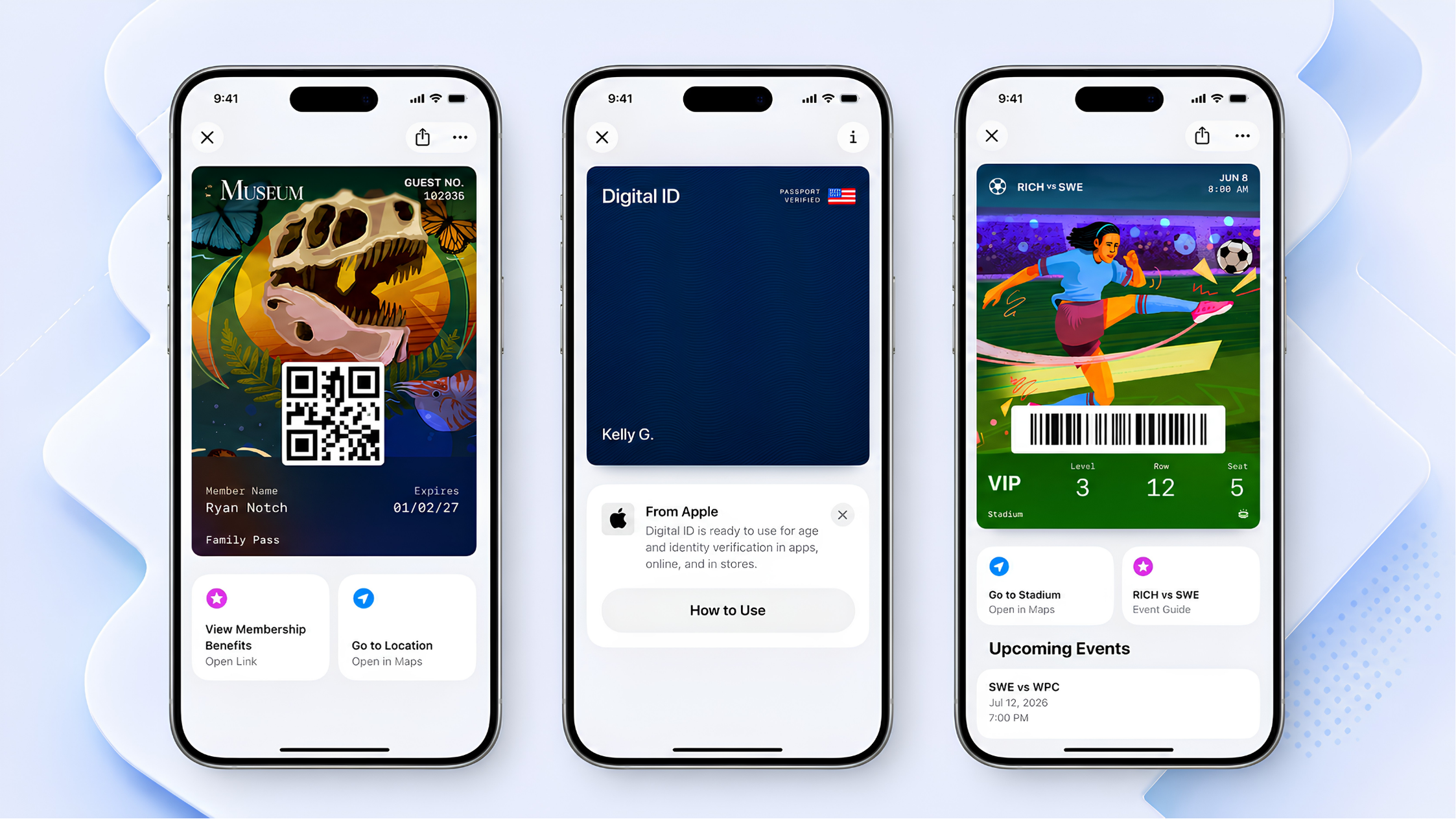
- Membership organizations: digital membership cards, renewals, event access, member-only updates
- Insurance and services: proof of coverage, policy updates, reminders, urgent notices
- Events and ticketing: entry credentials, schedule changes, post-event offers, future attendance prompts
In each case, the first interaction is important. But the bigger value comes from what the brand does after that first moment.
The strategic advantage
There is a bigger lesson here for marketers and customer experience teams.
The question is not just how to increase conversions.
It is how to make each conversion more valuable.
If one customer action can produce a persistent wallet connection, then the brand is no longer buying or earning a single moment of attention. It is building an owned engagement asset that can support future action with less friction.
That is a stronger outcome than a one-time click. It is a stronger outcome than a one-time redemption. And in many cases, it is a stronger outcome than sending the customer back into a crowded inbox and hoping they return.
The brands that get the most from mobile wallets are not just using them to digitize a card. They are using them to extend the life of every customer interaction.
That is where the real value is.
Every scan, purchase, and signup already represents intent. The opportunity is to capture that intent in a format that stays connected, stays relevant, and keeps working long after the first interaction is over.
Ready to turn one-time interactions into long-term engagement assets? Book a demo.