Consumers are not ignoring brands because they suddenly stopped caring. They are tuning out because too many messages now compete for the same limited attention. Email inboxes are crowded, push notifications pile up, and SMS only works when it feels urgent enough to justify the interruption. Meanwhile, global email volume has continued to climb, with Radicati projecting more than 376 billion emails sent and received per day by the end of 2025. On top of that, Optimove’s 2025 consumer marketing fatigue research found that 70% of consumers unsubscribe because of excessive messaging.
That is the environment modern engagement strategy has to operate in. The problem is no longer just reach. The problem is relevance, timing, and channel fit.
This is where wallet based engagement changes the conversation.
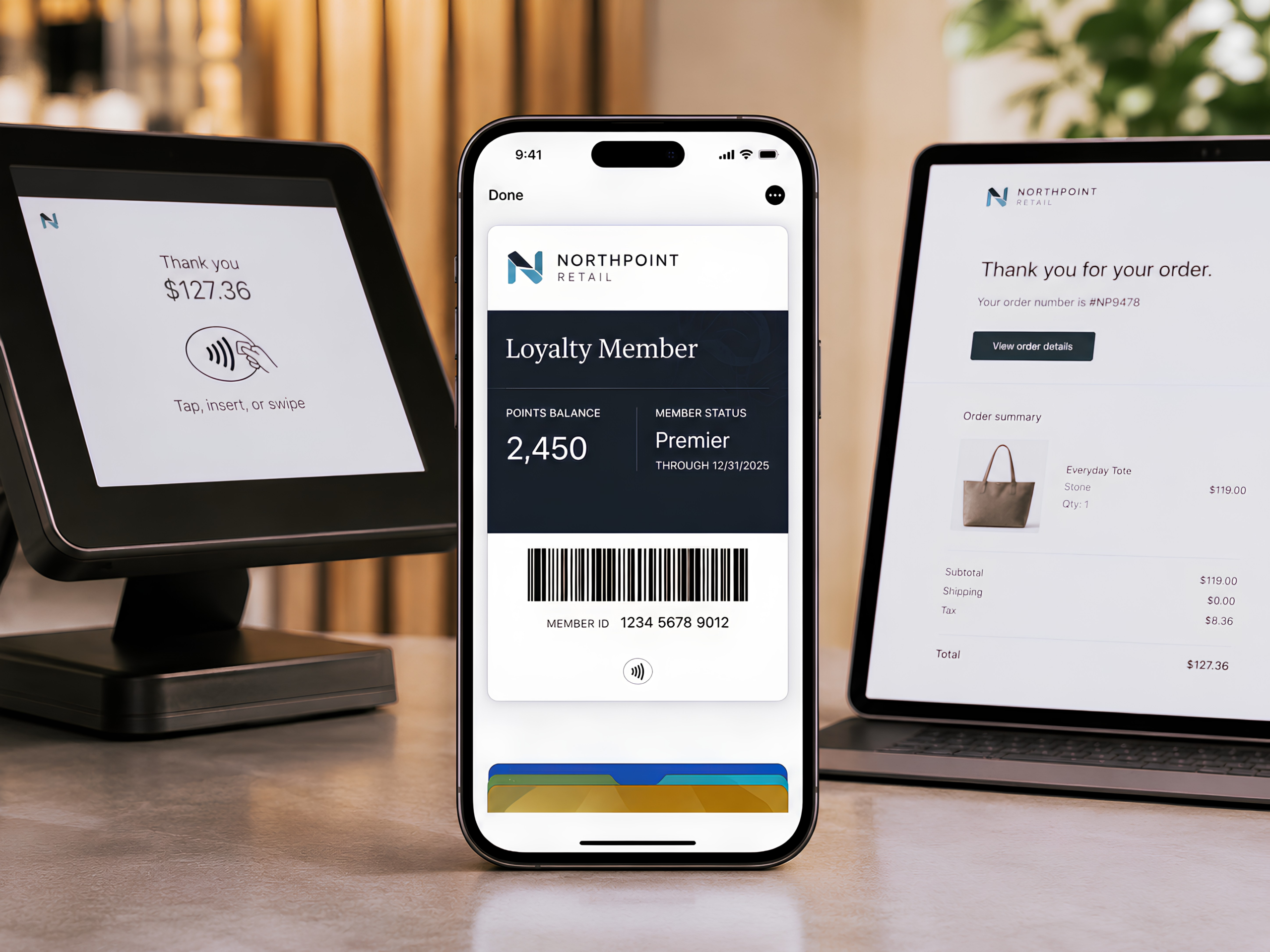
A mobile wallet pass lives in a different relationship with the customer than an email or a generic push notification. It is not asking to be opened “just in case” there is something useful inside. It already represents something the user chose to keep because it has ongoing value, such as a loyalty card, membership card, coupon, event ticket, insurance card, or gift card. Because of that, updates connected to the pass are more likely to feel like service, status, or utility rather than another marketing interruption.
That distinction matters.
When brands keep forcing every message through crowded channels, they train customers to ignore them. When brands shift certain interactions into a wallet experience, they can match the message to the actual moment it matters.
Why Traditional Channels Fatigue So Quickly
Email, SMS, and app notifications still matter. This is not an argument to abandon them. It is an argument to stop treating them as the answer to everything.
These channels fatigue users for a few simple reasons:
- They are often campaign led instead of context led
- They frequently repeat the same offer across multiple touchpoints
- They ask the customer to leave what they are doing and pay attention right now
- They often arrive without enough urgency or usefulness to justify the interruption
- They are easy to overuse because they are built for broadcast scale
The result is predictable. People delete, mute, unsubscribe, or simply stop noticing. That pattern is visible beyond marketing too. Reuters Institute reporting on mobile news alerts found that 79% of respondents do not receive news alerts in an average week, and 43% of that group had actively disabled them because they were excessive or not useful enough.
That does not mean notifications are dead. It means low value notifications are dead.
Why Wallet Based Updates Feel Different
Wallet based engagement works differently because the pass itself is the anchor. The customer has already saved something useful. The communication is tied to that saved object. That makes the interaction feel more like an update to something they own than a fresh demand for attention.
A few examples make this clearer:
- A loyalty member gets an updated points balance after a purchase.
- A coupon holder gets notified that an offer is about to expire.
- An event attendee receives a gate or time update.
- A gym member keeps a membership pass ready on their phone, with current details always available.
- An insurance customer can access an up to date digital card without digging through email.
Those are not random interruptions. They are connected to a known purpose.
That is a big strategic shift. Instead of asking, “How do we push more messages?” the better question becomes, “What information is useful enough that the customer would want it attached to something they already keep?”
Engagement Strategy Changes When the Channel Is Persistent
The strongest wallet programs are not built as one off distribution tactics. They are built as persistent customer touchpoints.
That changes strategy in a few important ways.
First, engagement becomes more lifecycle driven. A saved pass can stay relevant long after the first interaction. The goal is not just the initial open or click. The goal is to keep a branded utility on the device and make it more valuable over time.
Second, message design becomes more disciplined. Because wallet updates work best when they are tied to a real status change, they force better communication habits. Brands have to think in terms of moments that matter instead of volume for volume’s sake.
Third, performance thinking shifts from short term traffic to longer term retention and repeat behavior. A wallet pass that remains on a device gives a brand another durable surface for engagement without requiring the customer to download and regularly use a full app.
That does not make wallet the right channel for every communication. Long form education and complex sales messages may still belong in email, on site, or in sales outreach. But for recurring customer interactions tied to identity, value, or status, wallet often fits the behavior better.
What Brands Get Wrong
A lot of brands hear “less intrusive” and assume that means they can simply move existing promotional habits into wallet. That is the wrong move.
Wallet based engagement only stays effective when the content remains timely and relevant. The point is not to create another place to spam customers. The point is to create a better operating model for utility based engagement.
That means avoiding a few common mistakes:
- Sending updates that are promotional but not useful
- Treating the pass like a static asset instead of a living touchpoint
- Failing to connect pass updates to actual customer activity or lifecycle events
- Using wallet as a standalone tactic rather than part of a coordinated channel strategy
The best programs understand that wallet is not a replacement for every channel. It is a strong layer inside the channel mix, especially where convenience, persistence, and real time relevance matter.
The Practical Shift for Marketers
If inboxes are crowded and notifications are losing impact, the answer is not always better copy or more automation. Sometimes the answer is better channel design.
Wallet based engagement gives marketers a way to move from interruption based communication to presence based communication. The brand does not need to force its way back into attention every time. It can remain available in a place the customer already uses, and then surface updates when the moment actually justifies it.
That has implications beyond engagement rates. It affects brand perception. Useful communication feels different from persistent communication. One builds trust. The other slowly erodes it.
The brands that will handle fatigue best are not the ones that shout the loudest. They are the ones that understand when to speak, where to appear, and how to make every message feel connected to a real customer need.
That is the real strategic value of wallet based engagement. It is not just another channel. It is a way to design customer communication around utility, timing, and context.
If your team is looking for a smarter way to stay visible without adding to inbox overload and notification fatigue, book a demo to see how Bambu Wallet helps brands build wallet based engagement across loyalty, membership, offers, tickets, and more.