Marketing leaders are under constant pressure to improve efficiency. Customer acquisition costs continue to rise, advertising platforms become more competitive, and audiences are increasingly fragmented across channels. At the same time, expectations for personalized, real time engagement have never been higher.
Most organizations attempt to meet these demands by layering additional tools into their marketing stack. Email platforms, SMS providers, paid retargeting networks, mobile apps, and loyalty systems all operate in parallel. While each channel plays a role, the economics of maintaining and optimizing multiple engagement layers can become increasingly complex.
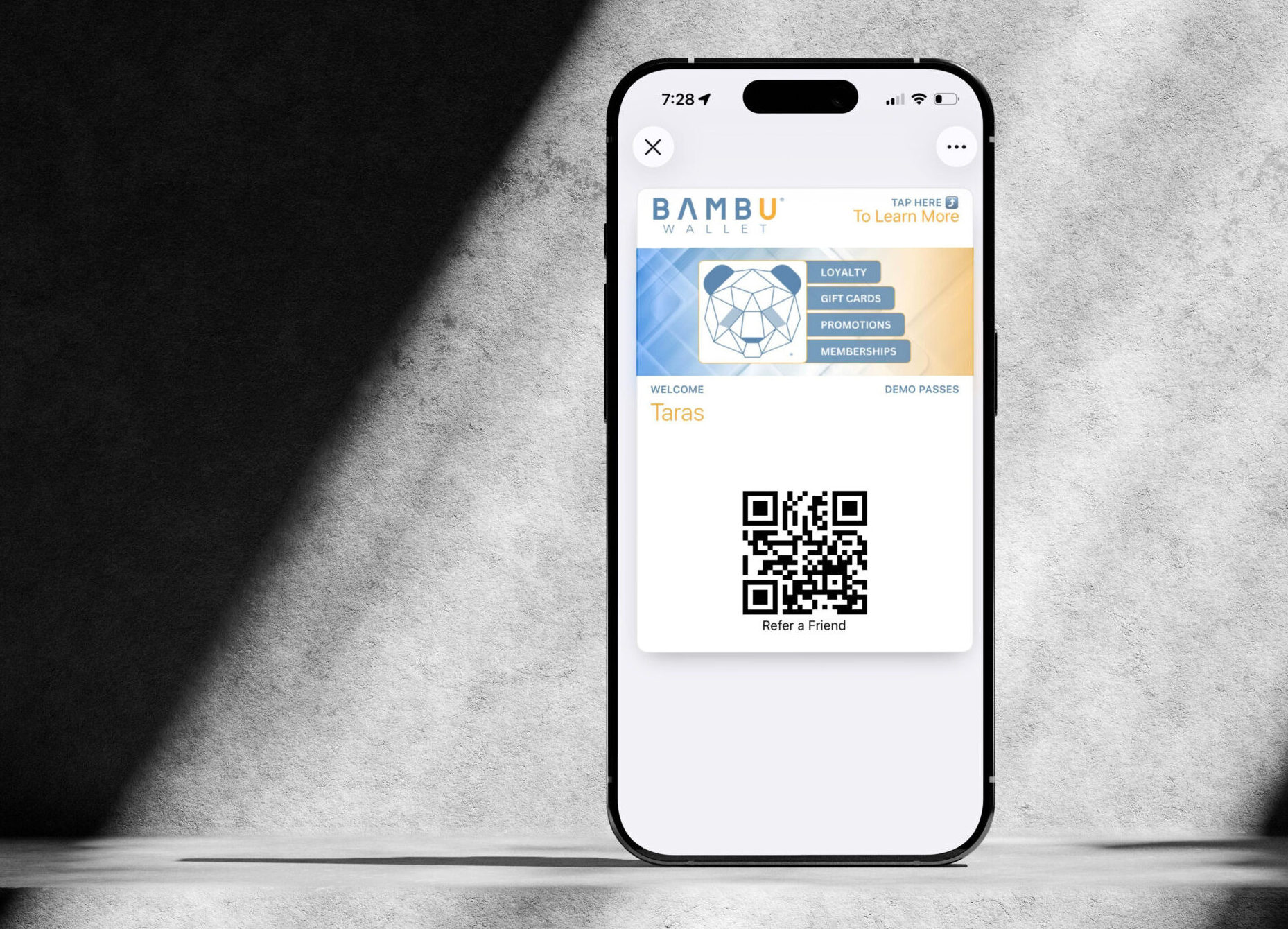
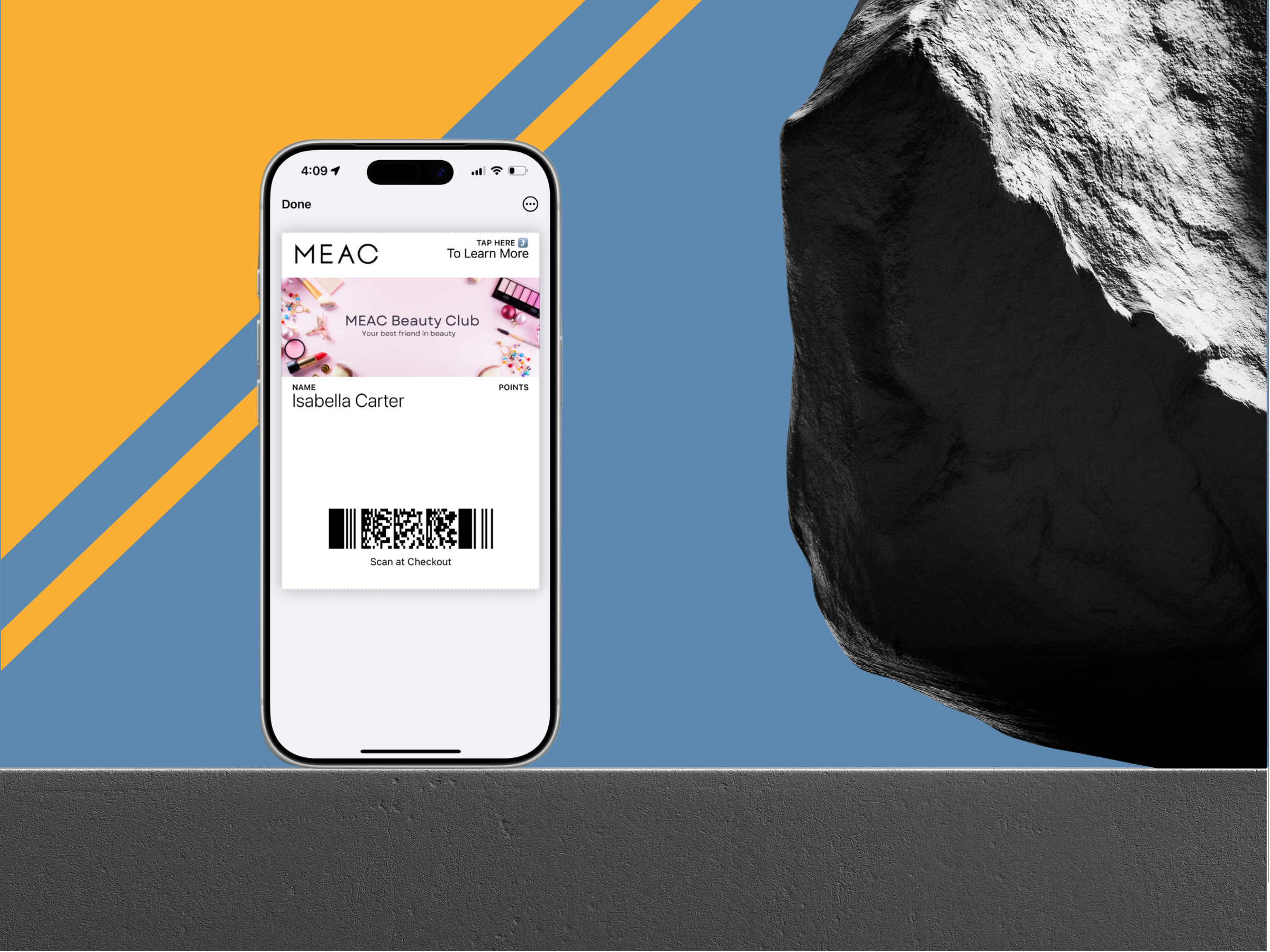
Mobile wallet programs introduce a different model. Rather than operating as another outbound channel, digital wallet passes in Apple Wallet and Google Wallet function as a persistent engagement layer that sits directly on a customer’s device. This shift changes not only how brands communicate with customers, but also the cost structure of engagement itself.
Understanding the economic differences between wallet based engagement and traditional marketing channels helps clarify where each approach delivers the greatest value.
The Cost Structure of Traditional Marketing Channels
Traditional digital marketing channels typically rely on one of two models: paying for reach or paying for delivery.
Paid media channels like retargeting campaigns operate on a bidding system where visibility must be continuously purchased. Email and SMS campaigns may not require bidding for attention, but they still carry operational costs tied to sending volume, platform licensing, and list management.
Over time, these costs compound.
A typical enterprise marketing stack might include:
- Email marketing platforms with contact based pricing tiers
- SMS providers charging per message or per conversation
- Paid retargeting campaigns across social and display networks
- Mobile apps that require continuous development and maintenance
- Loyalty or membership systems that operate independently from other channels
Each system solves a specific problem, but together they create a fragmented cost model.
Paid retargeting increases customer acquisition costs. SMS campaigns scale with message volume. Email engagement declines as inbox competition grows. Mobile apps require ongoing development budgets while many users stop engaging after the initial download.
The result is an engagement model where brands continuously spend to reestablish contact with customers.
How Wallet Engagement Changes the Economic Model
Mobile wallets operate differently because the relationship between the brand and the customer persists after the initial interaction.
When a customer saves a pass into Apple Wallet or Google Wallet, the brand gains a persistent presence on the customer’s device. Unlike paid media or temporary campaign channels, the wallet pass remains accessible until the user removes it.
This persistence changes how engagement costs accumulate over time.
Instead of repeatedly paying to reach the same customer, brands maintain a direct connection through the wallet pass itself. Updates, notifications, loyalty balances, offers, and membership credentials can all be delivered through the same pass.
From an economic standpoint, this creates several efficiencies:
- Near zero marginal cost engagement once a pass is installed
- Reduced dependence on paid retargeting to reengage existing customers
- Lower messaging costs compared to SMS heavy strategies
- Simplified engagement infrastructure compared to multiple standalone tools
The initial cost of deploying a wallet program exists, but ongoing engagement becomes significantly more efficient as the installed base of wallet users grows.
Comparing Engagement Channels by Economics
Each engagement channel still plays an important role. The difference lies in how efficiently they scale over time.
Email remains one of the lowest cost digital marketing channels. However, declining open rates and crowded inboxes reduce its effectiveness as a primary engagement channel.
Typical email marketing performance metrics include:
- Open rates typically range 25%–45% depending on industry, but are less reliable due to privacy features that inflate opens.
- Click-through rates typically range 1%–4%, with ~2–3% being common.
- Increasing deliverability challenges due to spam filtering
Email works best as part of a broader engagement strategy rather than the sole customer communication channel.
SMS
SMS offers extremely high open rates and immediate visibility. For time sensitive promotions or critical notifications, SMS can be extremely effective.
However, the economics of SMS are tied directly to message volume.
- Costs accumulate for every message sent
- High frequency campaigns can quickly increase operating expenses
- Regulatory compliance and opt in requirements add complexity
SMS remains valuable for high impact messaging but becomes expensive when used as the primary engagement channel.
Paid Retargeting
Paid retargeting helps brands reengage customers who have previously interacted with a website or campaign.
While effective, this channel requires continuous spending to maintain visibility.
Key economic challenges include:
- Rising cost per click and cost per acquisition
- Increasing competition across advertising platforms
- Dependence on third party tracking technologies
Paid retargeting is powerful for acquisition and reactivation, but it is not designed to maintain long term customer relationships.
Branded Mobile Apps
Many brands invest heavily in mobile apps as a way to maintain ongoing engagement.
Apps can deliver powerful experiences, but they come with significant costs:
- Development and maintenance budgets
- App store approval cycles
- User acquisition campaigns to drive downloads
- Ongoing product updates and support
Most branded apps struggle with long term engagement unless the brand provides frequent transactional value.
For many companies, the majority of customers will never download the app.
Mobile Wallet Programs
Wallet based engagement sits in a different category.
Because digital wallet passes live directly in Apple Wallet and Google Wallet, they do not require a separate download or ongoing development cycle. Customers can access loyalty balances, offers, membership credentials, or event tickets directly from their device’s built in wallet.
Economically, wallet engagement benefits from:
- No app installation requirement
- Persistent visibility on the user’s device
- Low marginal cost updates and notifications
- High engagement rates compared to traditional channels
Once a pass is installed, the brand gains an ongoing communication channel that does not rely on advertising budgets or message based pricing models.
Impact on Customer Acquisition Cost and Retention
One of the most significant economic advantages of wallet programs appears in the relationship between acquisition and retention.
Customer acquisition costs continue to rise across nearly every digital advertising platform. As CAC increases, improving customer lifetime value becomes essential to maintaining healthy unit economics.
Wallet engagement supports this goal by improving retention and repeat interaction.
When loyalty programs, offers, or memberships live inside the mobile wallet, customers can easily access them during everyday transactions. Balance updates, reminders, and promotions can appear directly on the pass.
This constant presence increases the likelihood that customers return.
From a financial perspective, even small improvements in retention can significantly increase lifetime value. When combined with reduced reliance on paid reengagement campaigns, the overall economics of the customer relationship improve.
Brands begin spending less to maintain engagement with customers they have already acquired.
Lifecycle Value and Operational Efficiency
Beyond direct marketing costs, wallet based engagement also introduces operational efficiencies.
Because a single wallet pass can hold multiple types of information, it can consolidate several engagement functions:
- Loyalty programs
- Membership credentials
- Promotional offers
- Event tickets
- Customer identification
Instead of managing separate systems for each of these programs, organizations can unify them within a single mobile wallet experience.
This consolidation reduces operational overhead, simplifies customer journeys, and creates a clearer engagement lifecycle.
The more interactions that occur within the wallet environment, the more efficient the engagement model becomes.
A Complement, Not a Replacement
It is important to recognize that mobile wallet programs do not replace traditional marketing channels.
Email, SMS, paid media, and apps each provide value at different points in the customer journey. The role of the wallet is to serve as the persistent layer that connects these interactions together.
Email campaigns can encourage customers to save a pass. SMS can alert users to an updated offer. Paid media can drive initial acquisition.
Once the customer installs the pass, however, the brand gains a more efficient channel for ongoing engagement.
In many cases, the wallet becomes the central hub where loyalty, promotions, and identity live together.
The Long Term Economics of Wallet Engagement
Marketing efficiency increasingly depends on how effectively brands convert short term campaigns into long term relationships.
Channels that require continuous spending to maintain visibility can quickly become expensive as marketing budgets scale. Channels that create persistent engagement opportunities offer a different economic trajectory.
Mobile wallet programs represent this second model.
By creating a direct, persistent connection between the brand and the customer inside Apple Wallet and Google Wallet, organizations can reduce reengagement costs, improve retention, and simplify engagement infrastructure.
Over time, the cumulative impact of these efficiencies can significantly improve marketing ROI.
For organizations looking to balance acquisition costs with long term lifecycle value, the economics of wallet based engagement are becoming increasingly difficult to ignore.
If you want to see how mobile wallets can support enterprise scale engagement across loyalty, membership, offers, and ongoing communication, book a demo to see how Bambu Wallet helps enterprises and growing brands deploy scalable mobile wallet programs inside Apple Wallet and Google Wallet. You can also connect with us on LinkedIn to follow updates and insights from the Bambu Wallet team.